Get AI Briefings, Transcripts & Alerts on Local & National Government Meetings — Forever.
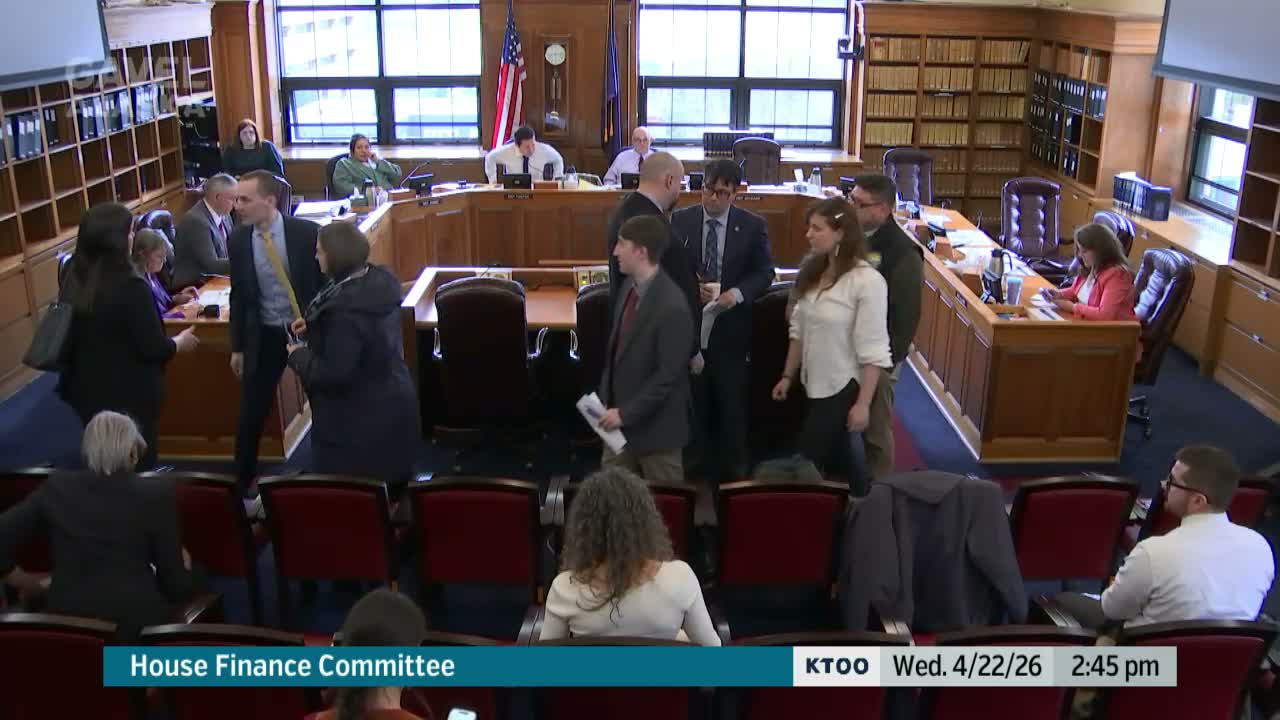
House Finance moves SB41 on school mental health education out of committee with fiscal notes
Loading...
Summary
After testimony from tribal youth, suicide-prevention groups and child-welfare advocates, the House Finance Committee moved Senate Bill 41 (public schools mental health education) out of committee with attached fiscal notes; the Department of Education's fiscal note showed a $216,000 UGF impact for guideline development and implementation supports.
Senator Gray Jackson, sponsor of Senate Bill 41, asked the House Finance Committee on April 22 to move legislation that would require development of age-appropriate mental health education guidelines for K-12 schools and parental notification before instruction.
Jackson told the committee the bill seeks to "equip students with the tools that they need" and emphasized high youth suicide rates in Alaska: she cited a 2023 rate of 42.3 deaths per 100,000 for ages 10 to 24.
Three invited speakers supported the bill. Mackenzie English Hu, youth advisor to the Tanana Chiefs Conference, said mental health education helps students identify distress and "that asking for help isn't a weakness, but it is a strength." James Beil of the American Foundation for Suicide Prevention's Alaska chapter described recent youth suicides in rural areas and urged the committee to pass guidelines that enable schools and communities to recognize and respond to distress. Trevor Storrs, president and CEO of Alaska Children's Trust, cited Kids Count data showing rising reports of prolonged sadness and suicide planning among Alaska teens and said school-based mental health literacy reduces harm.
Staff reviewed three fiscal notes. Two departmental notes (Behavioral Health and the Alaska Psychiatric Institute) indicated no fiscal impact. The Department of Education and Early Development fiscal note showed a $216,000 unrestricted general fund (UGF) impact: $120,000 for travel (to support up to 30 guideline-development participants twice a year), $36,000 for services (facilitation, professional development and legal fees) and $60,000 for participant stipends/grants. Sponsor staff and supporters said the board developing the guidelines would include representatives from the Departments of Health and Family & Community Services, regional tribal health organizations and national/state mental health organizations.
Committee members noted letters in the packet, including an opposition letter from the Citizens Commission on Human Rights; sponsor staff and several members characterized that group as out-of-state and said the bill has substantial Alaska-based organizational support (NAMI Alaska, VOA Alaska, AFSP Alaska, Alaska Children's Trust). Members discussed amendment timelines and whether additional specificity is needed in the bill language; sponsor and testifiers said the collaborative guideline process is intended to address substantive concerns.
Representative Schrage moved to pass SB41 (work order 34 LS0078N) out of House Finance with individual recommendations and attached fiscal notes; no objections were raised and the motion carried. The sponsor closed by thanking the committee. The bill moved forward for further floor and committee steps.