Get AI Briefings, Transcripts & Alerts on Local & National Government Meetings — Forever.
Residents demand ban on police cooperation with ICE; Trenton police director denies routine collaboration
Loading...
Summary
A large delegation of rapid responders and residents told council they had lists of people handed to ICE after Trenton Police involvement; Police Director Steve Wilson denied routine cooperation, said the county workhouse processes detainers and that police respond to calls for service, and councilors pledged to continue drafting an ordinance limiting collaboration absent judicial warrants.
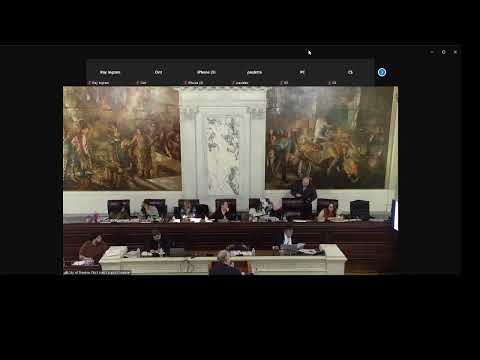
Scores of Trenton residents and immigrant‑rights organizers used the public‑comment period on April 21 to press the City Council for clear rules preventing Trenton Police Department assistance to Immigration and Customs Enforcement (ICE) absent a judicial warrant.
Ana Paola Pazmino, executive director of Resistencia, and several rapid responders read names, birth years and dates of detainers that organizers said showed people taken to ICE custody after Trenton Police involvement. “We are here to say, please … do not assist them in attacking us,” Pazmino told council, urging an enforceable ordinance and local protections for families.
Police Director Steve Wilson responded to the allegations, saying Trenton PD “does not collaborate with ICE” as a routine practice and that detainers and transfers to federal custody are generally processed through the county workhouse, not handled directly by Trenton officers. He said the department sometimes provides perimeter, crowd or traffic control when federal agents operate in the city—an operational duty meant to protect safety during large federal actions—but that the department no longer has regular joint operations with ICE. Wilson acknowledged the community’s pain and urged mutual respect while defending his officers.
Council members said they had been meeting with the law director and police to draft an ordinance that would clarify the department’s role and ensure compliance with state directives; several said they planned to consult the state attorney general’s office during drafting. The council passed a motion to limit public‑comment speakers to three minutes for the remainder of the night but also signaled an expedited timeline to bring a draft ordinance for first reading at the next meeting.
The exchange left open key factual questions community members want answered in writing—who within the department authorized specific collaborations, the county’s role in detainer processing, and whether any policies allowed transfers without court‑issued warrants. Councilors committed to continue working with legal staff, the police director and community representatives to produce a draft ordinance that all parties can review before introduction.