Get AI Briefings, Transcripts & Alerts on Local & National Government Meetings — Forever.
Hospital executives say AI investments are evaluated for quality, not to drive upcoding
Loading...
Summary
A lawmaker asked whether more than $1.3 billion in AI tools for clinical documentation are evaluated for patient outcomes or for revenue increases tied to coding; Mr. Lasseter said the primary measurements are quality, safety and caregiver support and denied using AI "specifically to drive... upcoding."
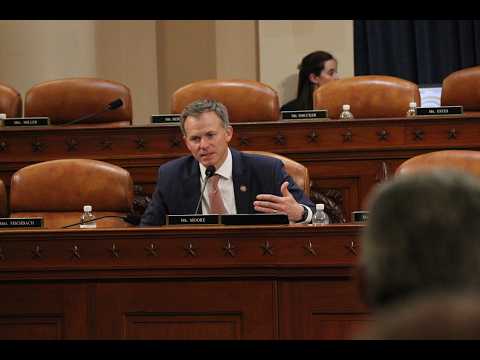
A lawmaker asked hospital executives whether last year's health system investments in artificial intelligence—cited in the hearing as "over $1,300,000,000"—are assessed by improvements in patient outcomes and efficiency or by increases in revenue linked to coding.
The lawmaker said many AI tools are used for clinical documentation and coding and suggested such tools can raise coding intensity and reimbursement without changing the care a patient receives.
Mr. Lasseter replied to the committee that his organization evaluates AI "based upon a number of factors" and that "we're first and foremost looking at, does it help us increase the quality and safety of the care we deliver to our patients?" He added the second priority is whether technology improves the working environment for caregivers and their resilience. On the question of upcoding, he said, "We do not look at AI tools specifically to drive, I think you didn't use this term, but I would say upcoding ... that's not our explicit, goal." He said their goal is to "code the clinical... record accurately and appropriately."
Why it matters: Lawmakers have raised concerns that investment in clinical-AI and documentation tools could change billing patterns and increase reimbursements through higher coding intensity. Witnesses in this exchange emphasized quality and workforce support as the primary drivers for AI adoption and denied intentionally using the tools to inflate coding.
The committee did not take formal action on the issue during the hearing; questioning moved on after the witnesses' responses.