Get AI Briefings, Transcripts & Alerts on Local & National Government Meetings — Forever.
Committee advances bill to make SNAP and other benefits follow children who enter foster care
Loading...
Summary
A House committee voted 8–4 to report House Bill 689, which directs DCFS to notify LDH of custody changes so SNAP, WIC and other benefits trigger timely eligibility reviews; the committee adopted an amendment changing a 72‑hour requirement to three business days after the 72‑hour hearing.
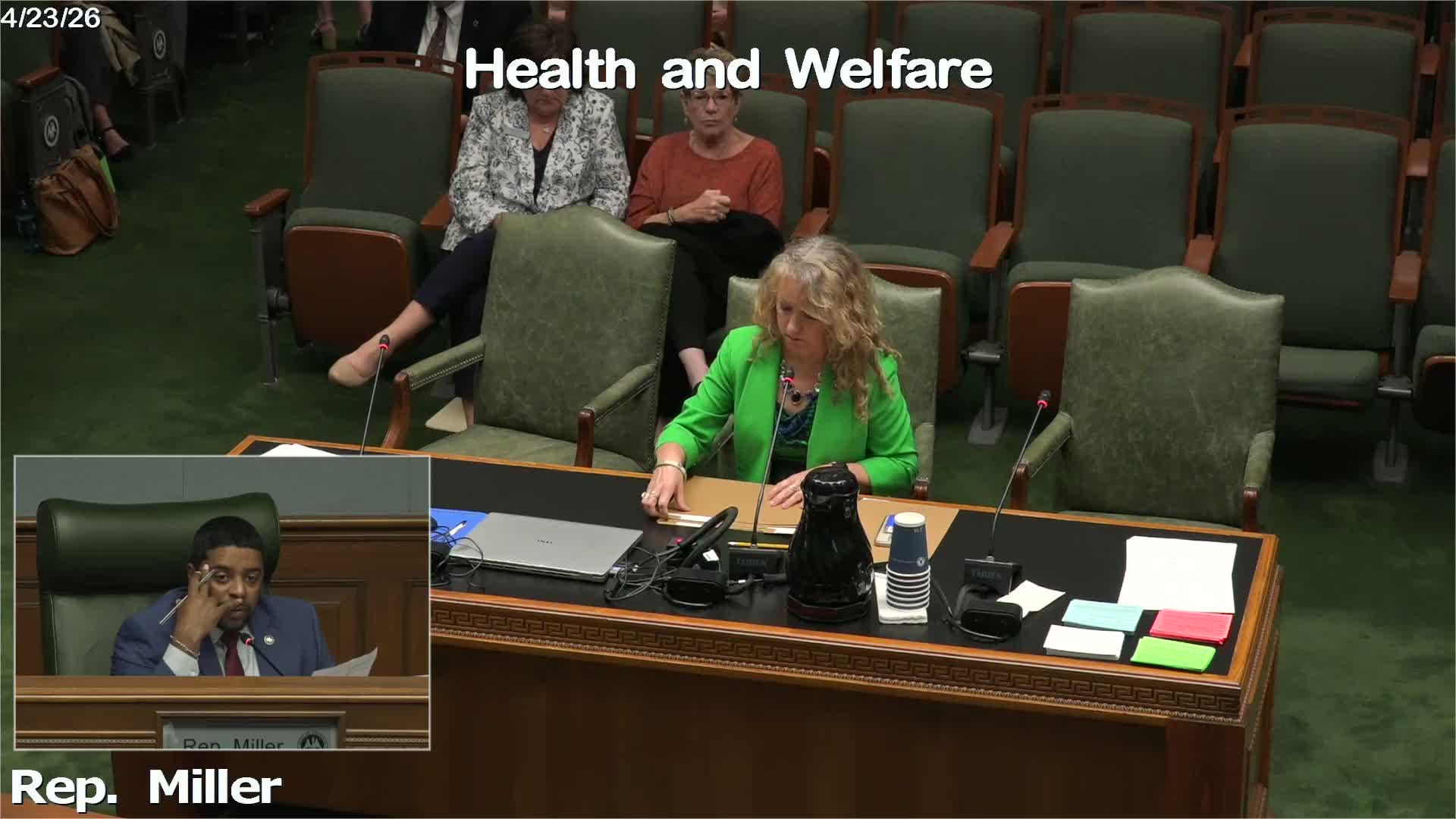
A House committee voted to report House Bill 689 by Representative Amadee on a voice and roll‑call vote, sending the measure to the floor with amendments after an 8–4 vote. The bill requires the Department of Children and Family Services to report placements and returns to the Louisiana Department of Health so public assistance eligibility reviews are triggered promptly and benefits "follow the child."
Representative Amadee, the bill sponsor, said the measure addresses cases in which children move into DCFS custody and benefits continue to be issued to the original household until the next eligibility determination. "For those of you on the committee who love school choice, I could nickname this bill ‘SNAP follows a child,'" she said, explaining the bill would create "a clear time‑bound protocol for reporting so that these gaps can be closed and ensure that benefits follow the child accurately."
The committee adopted an amendment that replaces a plain "72 hours" requirement with "three business days" after the statutory 72‑hour hearing. Taylor Christman read the amendment; members approved the set without objection. Representative Amadee said agencies requested the change because a strict 72‑hour clock could require weekend or holiday staffing, while three business days aligns better with existing DCFS processes.
Louisiana Department of Health official Camille Conaway told the committee LDH has been working with staff and "we do think we can absorb the costs within the existing budget," and that LDH is pursuing automation to speed processing. Tamika O'Stroud of DCFS explained that the agency's 72‑hour hearing is an established milestone; the amendment is intended to let DCFS complete usual procedures while ensuring a timely report to LDH.
Members pressed agencies on implementation timing and whether the reporting would create gaps for either the originating household or the foster household. LDH staff said a redetermination process typically begins with a request for information and that there is a 10‑day response period before an allotment adjustment can be finalized, which can mean households may receive another month's benefit before an adjustment occurs. Members raised concerns that an early return to the original household could leave families temporarily without expected benefits unless processes for reversing the change are also clarified; the sponsor agreed to amend the bill so the reporting and reversal occur in both directions.
Public commenters were mixed. Melissa Flournoy of 10,000 Women said the amendment removing a mandatory fraud‑referral provision addressed some concerns but urged the sponsor to consider a study approach to ensure agencies are not set up to fail. Bruce Riley, a former foster youth, said the legislation may be well intentioned but cautioned against adding complex new requirements that could create more administrative burden than savings.
Representative Crews moved to report the bill favorably with amendments; after roll call the committee recorded 8 ayes and 4 nays and the measure was approved out of committee. The bill will be scheduled for floor consideration with the committee amendments.