Get AI Briefings, Transcripts & Alerts on Local & National Government Meetings — Forever.
Perry council hears trial plan for cloud-based license-plate cameras; residents and councilors raise privacy concerns
Loading...
Summary
City staff and an agency representative detailed a trial of cloud-based license-plate-reader cameras intended to aid investigations and share tag data with a regional crime center; councilors and attendees urged clearer public notice, a strict use policy and an audit trail before wider deployment.
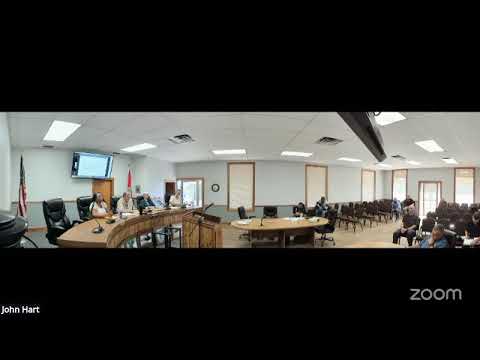
City staff and an agency representative outlined a cloud-based license-plate-reader pilot at the City of Perry council meeting on April 28 and faced a sustained discussion about privacy, data sharing and oversight.
The agency representative (speaker 8) described a limited trial covering main roads and parks, said tag information would be retained for 30 days and explained how the system had assisted investigations elsewhere. Citing two recent local examples, the presenter said shared tag data had helped locate a homicide suspect and find a missing juvenile in other jurisdictions.
Several councilors and residents raised concerns about mission creep and civil-liberties risks. One councilor (speaker 4) said, "I feel like I'm being watched every moment I make," and urged clearer public notice and limits on data use and sharing with other agencies.
The agency representative responded with operational details and privacy safeguards the city plans to include: the system does not capture occupants’ faces or interior images, it records vehicle characteristics (color and make) and tag number, and staff proposed a use policy with an audit trail and limits on who can run searches—restricted to sworn officers with documented justification.
Why it matters: Councilors said the city should balance public-safety benefits—tracking wanted vehicles, aiding Amber Alerts and supporting regional investigations—with transparency and strict controls to prevent misuse. Several members asked staff to invite a vendor representative to present technical details to the council and the public.
Outcome: Council confirmed the deployment is a trial and left procurement decisions for later; staff agreed to pursue a vendor briefing and to prepare public-facing information and a use/audit policy before any broader rollout. No contract was authorized at the meeting.