Get AI Briefings, Transcripts & Alerts on Local & National Government Meetings — Forever.
UN analysis finds online violence drives many women journalists to self-censor
Summary
A new UN Women analysis, highlighted in a UN press briefing, says nearly half of women journalists self-censor on social media and more than one in five limit their professional work to avoid online abuse; the briefing also noted legal protection gaps and UNESCO's prize for the Sudanese Journalists Syndicate.
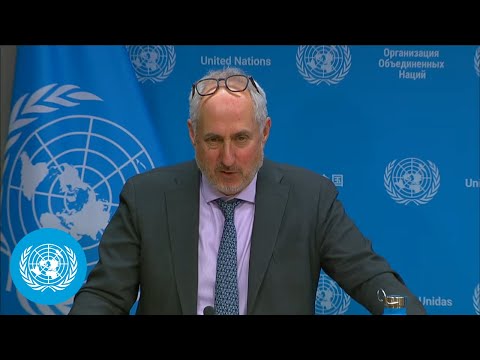
Nearly half of women journalists say they self-censor on social media and more than one in five limit their professional work to avoid abuse, a UN spokesperson said at a May 3 briefing highlighting a new UN Women analysis.
The spokesperson, identified in the transcript as Steph, summarized the report's findings: harassment ranges from "nonconsensual sharing of personal images" to so-called deep fakes, which are "AI-altered images, videos, and audio to make it look like someone said or did something they never actually did." The analysis, Steph said, shows the abuse is often coordinated and designed to silence women's voices and undermine their credibility.
The report also signals serious gaps in legal protection, leaving "billions of women and girls without adequate safeguards against cyber harassment," Steph said. The briefing noted that the full report is available online and urged attention to remedies that would reduce harm and support journalists.
In a related announcement, Steph said UNESCO named the Sudanese Journalists Syndicate as the recipient of the UNESCO Guillermo Cano World Press Freedom Prize in recognition of its role condemning the deliberate targeting of journalists in Sudan.
Why it matters: The briefing framed online attacks on women journalists as both a free-speech and public-safety issue: beyond reputational harm, Steph said many victims report anxiety, depression and post-traumatic stress linked to online violence.
What's next: The UN called attention to the UN Women analysis and asked states, platforms and civil society to close legal and enforcement gaps so that women journalists can work without fear of coordinated online abuse.