Get AI Briefings, Transcripts & Alerts on Local & National Government Meetings — Forever.
Glen Ridge Public Schools proposes $44.2 million 2026'27 budget, seeks 2.7% tax levy increase
Loading...
Summary
The Glen Ridge Board of Education heard a presentation on a proposed $44.2 million 2026'27 general fund budget that would raise the local tax levy 2.7% (including a 0.7% health-benefits exception), fund an additional pre-K class and major facility needs, and rely on reserve withdrawals and higher tuition revenue to limit service cuts.
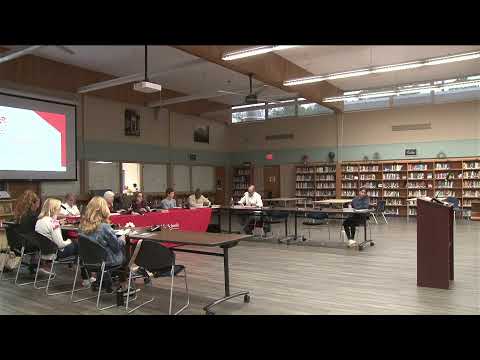
The Glen Ridge Board of Education on May 16 heard a budget presentation from school business administrator Barbara Murphy outlining a proposed $44,200,000 general fund budget for 2026'27 that would raise the local tax levy by 2.7% including a 0.7% health-benefits cap exception.
Murphy said the district avoided a 30% increase in the School Employees Health Benefits Program this year by moving off the state plan effective Jan. 1, 2026, but that districts statewide are facing sharp cost pressures from benefits and negotiated salary increases. "The proposed budget for the Glen Ridge Public Schools is $44,200,000 with a tax levy increase of 2.7% which includes a health benefits cap exception of point 7%," she said.
Murphy told the board state aid in Glen Ridge increased by 3.8% to $2,607,000, and that the district plans to use $300,000 from the maintenance reserve and a roughly $1.6 million withdrawal from capital reserve to fund a major high school roof replacement. She also said tuition revenue is expected to rise by about 35% due to demand for an expanded pre-K program; the new class will add one teacher and two aides.
The presentation broke down major expenditure drivers: instruction and special education remain the largest spending categories, special education services are budgeted to rise about 10%, and salary and employee benefits together account for about 77% of the total budget. Murphy said the district is budgeting conservatively for future benefits increases and that staff prepare "plan B" cuts in case state funding or rates change.
Board members asked questions about the timing mismatch between the state budget and district budget cycle and how the administration anticipates future benefit-rate increases. Murphy said the district uses best-available estimates, contingency plans and reserves to manage timing risk.
The budget presentation included planned capital work and equipment purchases such as roof replacements, office and classroom flooring, a door buzzer system, and CAD lab upgrades at the high school. Murphy also highlighted community fundraising: local booster and parent groups donated more than $100,000 in support and additional in-kind contributions.
The administration provided an example of taxpayer impact: for a home assessed at approximately $1,200,000, the projected increase would be about $387 annually, or roughly $32 per month. The board did not vote on the budget at this meeting; the presentation was the first formal public review.
The board followed the presentation with routine business: approval of minutes, personnel items, curriculum items and business items (see "Votes at a glance"). The meeting concluded after a second public-comment period with no speakers.
Votes at a glance: M1 (minutes) ' motion carried by roll call (ayes recorded from Miss Akiwandi, Mister Bonnet, Mister Denard, Miss Gottlieb, Miss Graham, Miss O'Neil and Miss Ginsburg). Personnel items P1'P10 ' motion carried by roll call. Curriculum C1 (A'H) ' motion carried. Business items B1'B13 ' motion carried; Miss Gottlieb recorded an abstention on item B4.
Next steps: the administration will continue budget refinement and present the budget for subsequent board consideration according to the district's posting and public hearing schedule.