Get Full Government Meeting Transcripts, Videos, & Alerts Forever!
Get email alerts on the Insurance topic
No spam. Unsubscribe anytime.
State insurance official outlines wildfire-related reforms, urges faster claims handling for homeowners
Summary
At a Chino Hills City Council meeting, California Department of Insurance outreach analyst Judith Pina summarized market pressures—rising reinsurance and rebuilding costs—and described pending bills (including AB 1795, SB 876 and AB 1680) intended to standardize smoke-damage restoration, speed payments and strengthen oversight of the FAIR Plan.
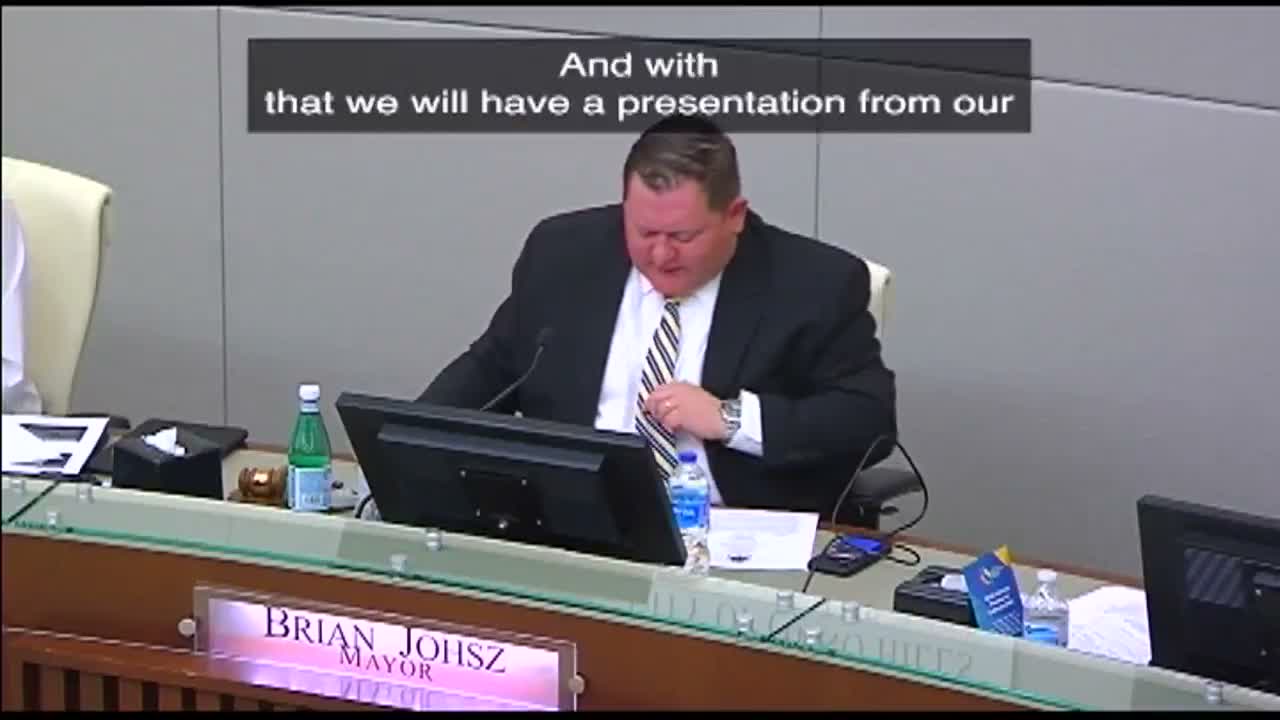
Judith Pina, an outreach analyst with the California Department of Insurance, told the Chino Hills City Council on May 7 that the insurance market is under intense pressure from more frequent wildfires, higher rebuilding costs and rising reinsurance prices, leaving some homeowners without traditional policies.
Pina said the FAIR Plan, created as a last-resort mechanism, “has grown significantly” and that the department has seen coverage gaps, slow claims handling and disputes over smoke damage. “Through our investigations, we have recovered over $23,000,000,000 for consumers and about $50,000,000 of that was related to smoke damage,” she said, describing smoke claims as one of the largest complaint categories.
Why it matters: residents and local officials in high‑fire‑risk neighborhoods—including Carbon Canyon—are experiencing policy nonrenewals and cancellations, and face both the cost of home hardening and uncertainty about post‑disaster recovery. Pina emphasized that unstable coverage and delayed claims slow household recovery and community rebuilding.
Pina described several proposals intended to reduce those risks: Assembly Bill 1795 (the Smoke Damage Recovery Act) would create science‑based standards for testing and restoration of smoke‑damaged homes; SB 876 would require insurers to have disaster recovery plans, speed status updates to claimants and expand additional living expense coverage; AB 1680 would strengthen FAIR Plan oversight and claims handling; and AB 888 (the Safe Home Grant Program) would provide grants for low‑income homeowners to harden homes in high‑fire‑risk areas.
She also outlined a policy change allowing insurers to use forward‑looking catastrophe models when setting rates in California, tied to a company commitment to write a specified share of new policies in high‑risk areas. Pina listed insurers already approved to participate, including Mercury, CSAA, Farmers, AAA, Pacific Specialty and California Casualty.
Council members and residents asked practical questions about what the FAIR Plan covers and how homeowners can obtain additional coverage. Pina clarified that the FAIR Plan primarily covers fire to structure and that homeowners often need supplemental policies for some contents and losses. She also encouraged people to contact the Department of Insurance and to sign up for consumer alerts and educational webinars hosted by the department.
What’s next: Pina urged residents and local officials to engage with state efforts and with their insurance companies as reforms advance. The Department of Insurance is promoting consumer education, grant access for home hardening, and legislative changes it says will better ensure full recovery after disaster.
Sources: Presentation and Q&A by Judith Pina, outreach analyst, California Department of Insurance, at the May 7, 2026 Chino Hills City Council meeting.