Get Full Government Meeting Transcripts, Videos, & Alerts Forever!
Get email alerts on the School Budget topic
No spam. Unsubscribe anytime.
North Hunterdon-Voorhees presents 2026 budget, seeks 4.29% levy increase under state health‑benefit waiver
Summary
District officials said rising health‑insurance costs and years of declining state aid drove a proposed 4.29% local tax‑levy increase for 2026; presenters outlined cost‑containment moves — including in‑house specialists and expanded Polytech enrollment — and said the board will be asked to adopt the budget at tonight’s hearing.
Katie, a district presenter, outlined the North Hunterdon‑Voorhees Regional High School District’s proposed 2026 operating budget at a public hearing, saying the plan would require a 4.29% local tax‑levy increase driven largely by a one‑time state health‑benefit waiver to cover unusually high insurance cost increases.
“Every district in the state of New Jersey is allowed to use this waiver this year, due to that state health benefit plan increasing over 30%,” Katie said, and noted the district’s joint health insurance fund projection shows about a 20% increase for next year. Those increases, she said, are a principal driver of the budget and allow the district to exceed the 2% tax‑levy cap for 2026.
Why it matters: salaries and benefits together account for nearly 70% of the district’s operating budget — Katie said salaries are about 50% and benefits 18.5% — so large benefit spikes have an outsized effect on taxpayers and the overall levy. Katie said the district saw multi‑year reductions in state aid beginning in 2018, and that special‑education placements, transportation and health costs contributed to budget pressure.
Cost containment and offsets: Rich, who spoke about budget goals and operational savings, described measures intended to reduce expenditures without cutting core programs. He said the district created an in‑district ESL program so fewer students are placed out of district, hired speech/language therapists directly rather than contracting the work, right‑sized non‑instructional staff through attrition, and streamlined security staffing. Rich also said increased Polytech (Hunter County vocational) enrollment reduces the district’s net tuition outlays and helped stabilize enrollment.
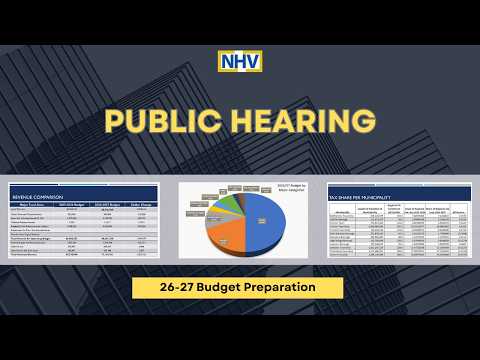
Specific figures and adjustments: Katie provided a revenue breakdown and said the district will use a bank cap reduction of $171,975 to lower its earlier levy projection; the available levy increase was 4.6%, and the district’s current proposal is a 4.29% increase. She summarized other revenue shifts as about $2.4 million in local levy growth, roughly $120,000 lower in other revenues (including reduced interest income and eliminated parking fees), a planned fund‑balance draw of $235,000, and modest Medicaid reimbursement gains.
How taxes are allocated: Katie explained the county’s apportionment worksheet allocates the total levy among the district’s 12 constituent municipalities using equalized valuations and the count of students from each town (snapshot date Oct. 15). She warned that reassessments or changes in student counts in one town can shift tax shares for other municipalities.
Board questions and clarifications: During questions, board members asked presenters to revisit slides on apportionment and enrollment projections. One board member flagged an advertised enrollment increase of nearly 300 students and asked whether that figure mainly reflects Polytech cohorts and returning ESL students; presenters said the advertised number is a projection that protects budget software inputs and that timing of new housing openings could shift when students actually arrive.
Next steps: Katie said the public hearing and adoption process is the agenda for the meeting and that the board will be asked to approve the budget tonight; if adopted, staff will certify taxes to municipal clerks and the budget would be implemented on July 1. No formal vote or tally appears in the transcript provided.
(Reporting notes: quotes and figures taken from the district presentation and Q&A during the public hearing.)