Get AI Briefings, Transcripts & Alerts on Local & National Government Meetings — Forever.
Delaware House committee weighs HB 135, 'Dr. Deborah Gilbert White Act,' amid disputes over enforcement and sovereign immunity
Summary
Lawmakers and dozens of witnesses spent hours debating HB 135, which would prohibit arrests or fines "simply for being homeless" when adequate alternative shelter is not available; proponents framed it as a civil‑rights and public‑health step, opponents warned of legal exposure and burdens on municipalities and downtown businesses. No committee roll‑call vote was taken; the bill was offered for signatures.
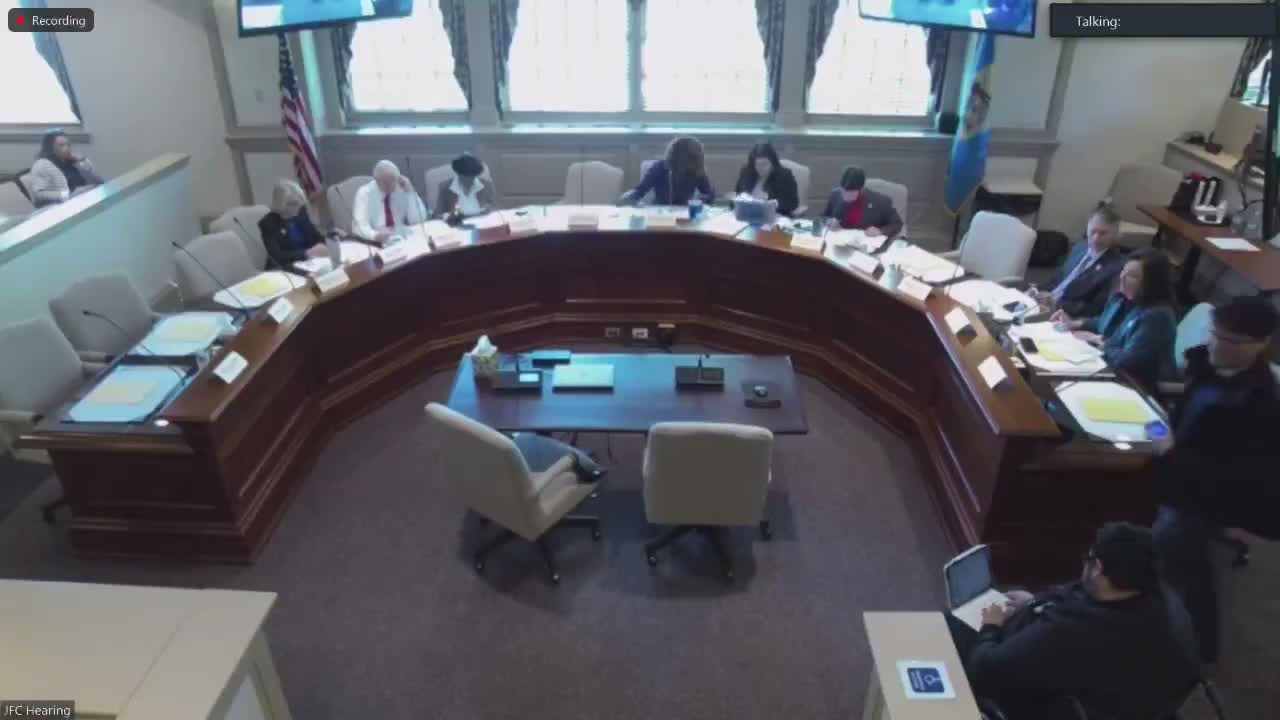
DOVER — The House Housing Committee on April 1 heard more than two hours of sponsor testimony, member questions and public comment on House Bill 135, the "Dr. Deborah Gilbert White Act," a measure that would bar arrests or fines for people engaging in life‑sustaining activities in public when no adequate alternative indoor space is available.
Representative Phillips, the bill sponsor, opened with statewide data and rationale, saying the 2025 point‑in‑time count recorded "15 85" people (as stated in testimony) — the highest number on record and a 16% increase from the prior year — and that McKinney‑Vento counts show more than 4,400 students experiencing homelessness. She told the committee "we need to prevent homelessness, make shelters low barrier and better connect affordable housing to people experiencing homelessness," and described amendments intended to clarify the bill's reach: removing an indefinite‑availability requirement for alternative indoor space, requiring that alternatives reasonably accommodate personal property, and narrowing "public space" to government‑owned outdoor areas open to the public.
Phillips emphasized that "HB 135 will not allow arrests and fines simply for being homeless," and that criminal statutes for trespass, blocking traffic, or other crimes would still apply. "If a police officer asks somebody to move or tells them that they have to move from in front of a business, there is going to be no lawsuit," she said, describing an intention to make enforcement clear to officers and judges.
Committee members pressed the sponsor on implementation details. Representative Spiegelman asked whether the amendment unintentionally removed language allowing enforcement when people block business access; the sponsor and House attorney Liba Kauffman said they would restore or clarify language so that blocking sidewalks, entrances or vehicular flow remains enforceable. "We don't want people blocking businesses, sidewalks," Phillips said.
A major point of contention was the bill's waiver of sovereign immunity. Jason Smith, chief of fiscal policy in the Office of the Controller General, told the committee the fiscal note is "indeterminable, potentially significant" because waiving sovereign immunity exposes the state to civil liability that the office could not reliably quantify. Smith said potential payouts would likely be handled through existing legal‑services appropriations and could require Joint Finance Committee action if exposures exceed available coverage.
Opponents and local government representatives argued the bill would create legal and operational burdens. Representative Spiegelman and municipal advocates warned smaller towns could be forced into precautionary enforcement or new ordinances to avoid lawsuits; business groups, including the Delaware Association of Realtors and the Downtown Dover Partnership, testified that protected encampments near storefronts would harm small businesses and public safety.
Supporters — including civil‑liberties groups, homeless service providers and faith leaders — said criminalization has failed. "Criminalizing survival, sleeping, resting, protecting one's belongings only deepens trauma and pushes people further from stability," Becca Cotto of YWCA Delaware said. Rachel Stucker and Sonia Star of Housing Alliance Delaware urged lawmakers to remove punitive tools such as ticketing and arrest and to invest in shelter, housing and wraparound services. Local service providers, including Ministry of Caring (Dr. Gene Hallis testified his nonprofit houses hundreds nightly), and advocacy groups argued HB 135 would align enforcement with public‑health goals.
Experts from the National Homelessness Law Center (virtual testimony) placed the bill in a legal context, citing a 2024 U.S. Supreme Court decision referenced in testimony and noting some jurisdictions have adopted similar protective statutes without a surge in litigation.
Public comment illustrated the split: business owners and local officials described lost customers, theft and downtown blight and urged a statewide task force or more funding rather than the statute; advocates, faith leaders and service providers said the state must stop using arrests and fines as a default and instead expand shelter, diversion and housing supports.
The committee did not take a roll‑call vote. The chair said staff would offer the bill for the signatures of members not present; if it receives enough signatures it will be reported out to the House floor. A motion to adjourn carried and the meeting ended.
What happens next: HB 135 remains in the committee process. The sponsor and staff said they would add clarifying language on access to businesses and other enforcement issues; the fiscal office said it would try to produce follow‑up analysis on potential exposure. If the bill is signed by a sufficient number of committee members it will be reported to the House for further consideration.