Get AI Briefings, Transcripts & Alerts on Local & National Government Meetings — Forever.
Extension warns of worst local wheat crop in decades, hay reserves depleted and wild‑hog damage rising
Summary
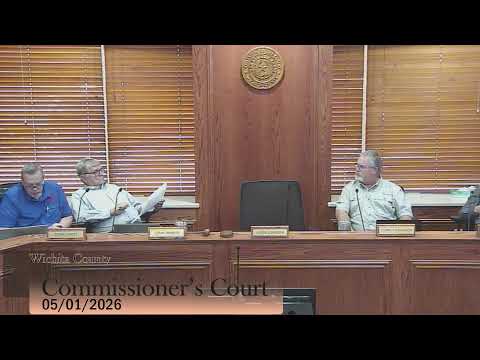
Wichita County Extension staff told commissioners the county’s wheat yields are the poorest in decades, driving hay shortages that forced producers to use roughly three‑quarters of reserves. Officials and Extension members urged coordinated statewide action on mounting wild‑hog damage.
Presenter (S1) told the commissioners the county is witnessing “worst wheat crops we've had in this area,” saying drought left deep soil layers dry and threatens the spring and summer rotations. He said surface moisture improved with recent rain, but deeper soil to three or four feet still needs recharge to support strong yields.
The presenter described the effect on hay supplies: producers who normally keep two years’ supply used an estimated three‑quarters to get through winter. Where wheat was harvested this season, yields dropped from an expected four to five round bales per acre in good years to roughly a half bale per acre in spots that produced any hay.
“That’s going to mean a lot of expense,” the presenter said, adding that ranchers nevertheless did a good job maintaining cattle conditions through the drought and “some of these mama cows … have put on almost a 100 of pounds” since spring rains returned.
Commission members and Extension staff also flagged rising wild‑hog damage to crops and pastures. A committee member (S2) urged statewide attention: “We’re looking forward to a legislative session this next year … we’re gonna have to get some kind of program going statewide or we can’t handle that on a local or regional basis.” Extension staff said aggressive trapping programs are showing better cost‑effectiveness than helicopter operations in some cases.
Extension leaders used the update to preview education offerings tied to the agricultural season: crops, livestock and horticulture CEU programs through the year, an intern training program for master gardeners starting in August with a target of about 25 attendees, and localized demonstrations at county corrals and facilities.
The commissioners acknowledged the report and encouraged continued coordination with state Extension and legislative partners as they prepare for next year’s session.
Next steps: Extension staff will continue CEU scheduling, pursue outreach on hog‑management practices and report back with any state legislative proposals that would change local control or funding.