Get AI Briefings, Transcripts & Alerts on Local & National Government Meetings — Forever.
Rep. Manger’s bill to forward abuse reports to OSBI passes after heated debate over records and due process
Summary
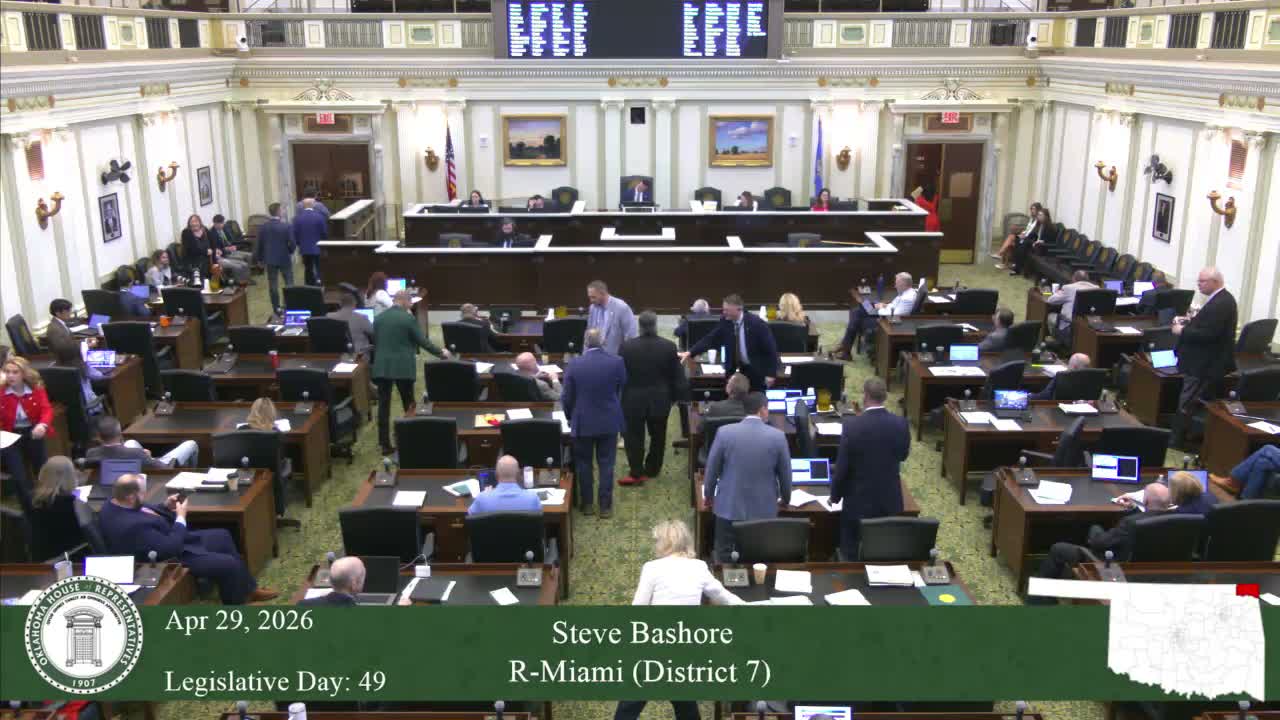
The Oklahoma House passed Senate Bill 17-30 on April 29, 2026, requiring certain law-enforcement abuse reports be forwarded to the Oklahoma State Bureau of Investigation. Supporters said it helps catch repeat offenders; opponents warned the records could follow people indefinitely even when accusations are unproven. Vote: 52–29.
The Oklahoma House on April 29 passed Senate Bill 17-30, a measure requiring law enforcement agencies to forward copies of certain abuse reports to the Oklahoma State Bureau of Investigation so investigators statewide can identify repeat allegations. Representative Manger, who introduced the bill, said the change mirrors language in the existing Domestic Abuse Reporting Act and is intended to prevent offenders from ‘slipping through the cracks.’
The measure drew extended floor debate over privacy and the risk of indefinitely retaining reports that do not lead to prosecution. Representative Timmons, speaking in opposition, recounted multiple criminal-defense cases in which allegations proved unfounded and described long-term consequences for accused people, saying, “the informal records follow folks for years” and that the bill, as written, lacked safeguards for rebuttal or removal of inaccurate entries.
Representative Manger said the bill covers reports that would trigger placement on an offender list and that OSBI’s database would be limited to investigative uses. “If someone’s been accused here and maybe it wasn’t prosecuted for lack of evidence … it would show up that this has occurred before and maybe keep somebody from slipping through the cracks,” he said.
Other members pressed for clarity about retention policies and how long reports would remain accessible; Representative Olsen asked whether the records are kept indefinitely and Representative Manger replied that, to his knowledge, sensitive reports typically remain in agency files indefinitely and are used for investigative purposes. Representative McCain and others sought assurances the bill applies only to official police reports and not to unverified allegations.
After debate, the House approved the bill by recorded vote, 52–29. The bill was advanced and declared passed under the House’s roll-call procedure.
Why it matters: The measure changes how investigative information flows between local agencies and the OSBI. Supporters say centralized records help detect patterns across jurisdictions; critics say the bill risks institutionalizing informal reports that can have long-term employment and reputational consequences for people who were never charged or were later cleared.
Next steps: The bill, having passed the House, will proceed according to legislative process for enrollment and transmittal to the Senate or governor as required.