Get Full Government Meeting Transcripts, Videos, & Alerts Forever!
Get email alerts on the Whistleblower Protections topic
No spam. Unsubscribe anytime.
Lawmaker urges House to pass bill expanding whistleblower protections for federal contractors
Summary
A lawmaker told the Senate the bipartisan "expanding whistleblower protections contractor act" passed the Senate and would close legal loopholes to protect federal contractors who report fraud, bar nondisclosure agreements from evading protections, and allow agencies to discipline officials who retaliate.
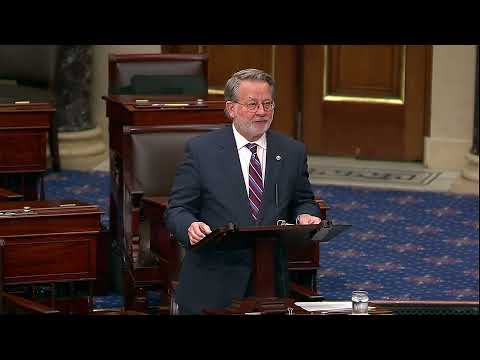
A lawmaker on the Senate floor said their bipartisan "expanding whistleblower protections contractor act," which "just passed the Senate," would close legal loopholes so federal contractors are protected when they disclose fraud, waste and abuse of taxpayer money.
"My bill would make it perfectly clear that federal officials cannot direct retaliation against contractors any more than they can direct retaliation against federal employees," the lawmaker said, arguing the measure strengthens accountability for officials who retaliate.
The lawmaker said the current law protecting contractor whistleblowers is weaker than protections for federal and private-sector employees and has allowed instances in which federal officials retaliated with no accountability. The bill, the lawmaker said, would allow agencies to take disciplinary action for such violations.
"The bill would also clarify that employers cannot evade whistleblower law through nondisclosure agreements and other employment contracts and ensure that contractor employees are not retaliated against for refusing to perform an action that they believe is illegal," the lawmaker said.
The lawmaker thanked Sen. Grassley for joining as a co-sponsor and cited Representatives Garcia and Comer for introducing the House companion measure, which the lawmaker said was "unanimously approved by the House Committee on Oversight and Government Reform." The lawmaker urged colleagues to support passing the companion bill through the House.
The measure has passed the Senate and now awaits action in the House; the lawmaker closed by asking colleagues to join in moving the bill forward.