Get email alerts on the Secondary Water topic
No spam. Unsubscribe anytime.
Council directs focused push on secondary water sources amid multi‑source planning
Summary
Council asked staff to prioritize and budget for multi‑year secondary‑water planning, including coordination on MOUs, groundwater options, beneficial reuse and possible blanket agreements, while staff agreed to return with named leads, timelines and budget allocations.
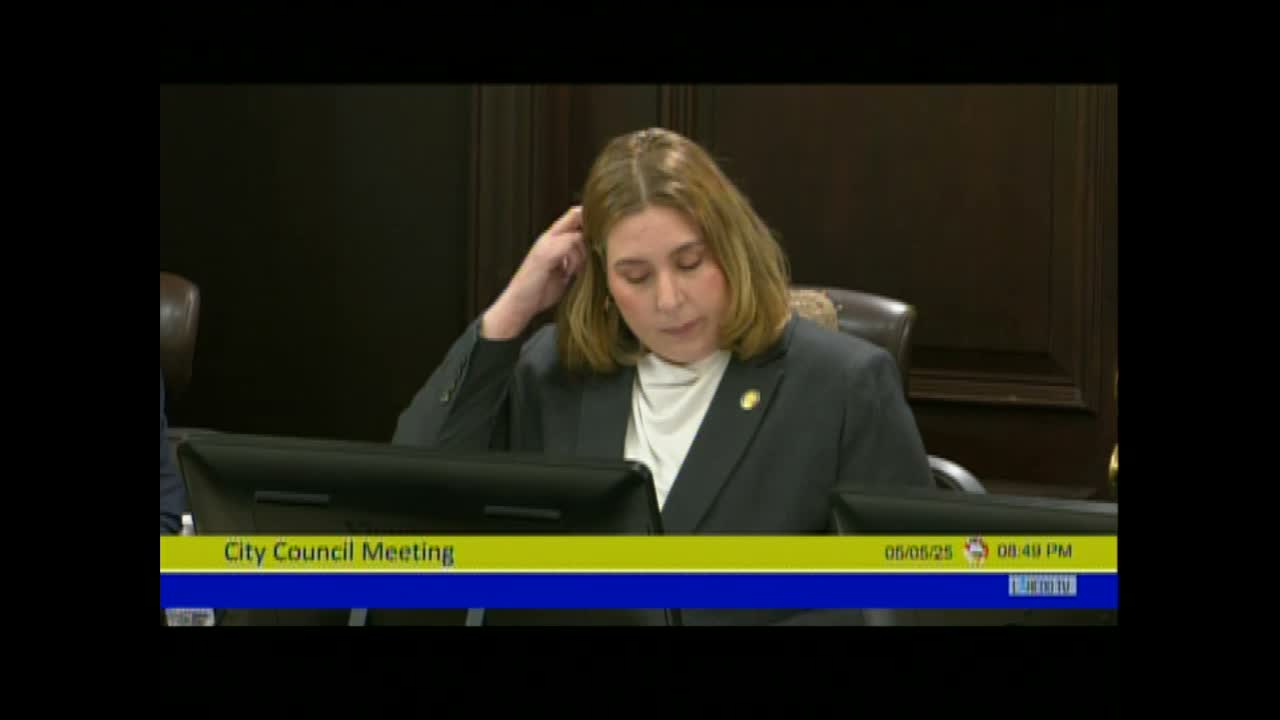
Councilors on May 5 pressed staff to accelerate work on secondary water sources and to set aside budget and dedicated staff time for a multi‑year push that will involve regional partnerships, groundwater options, reuse and other alternatives.
Councilmember Melissa Sigueroa and others said past efforts risked losing momentum and asked for a permanent focus within utilities. “We need to make sure that the utilities department…has accepted secondary water source as a primary concern, and it will dedicate funds to making sure we follow through,” one council member said. Staff and consultants reported existing MOUs with several regional partners — Legacy Water Supply Corporation, Eagle Pass and the Nueces River Valley Authority — and told council those relationships are at different stages of development.
Interim utilities staff presented a long list of funded water and sewer projects (major transmission mains, treatment‑plant upgrades, storage tanks and lift stations) and a water‑availability fund established in 2019. Staff said the fund is available for secondary‑water exploration and remains healthy despite some pandemic‑era taps for customer assistance. A city consultant and utility advisor said multiple sourcing strategies should proceed in parallel: groundwater development, regional purchases, beneficial reuse of treated effluent and targeted conservation/optimization efforts.
Utility advisor Buzz Pishker summarized options and urged a single point of responsibility to steer the work. “You put somebody in charge and say, this is your mission. Get it done,” Pishker said, arguing for focused leadership to drive outcomes and avoid repeated starts and stops.
Council discussed the costs and trade‑offs of committing to third‑party suppliers (which may require minimum purchase commitments or higher per‑gallon prices) versus developing local groundwater or reuse systems that could be phased in. Several council members asked that staff produce a clear schedule, identify a named staff lead to shepherd negotiations and return costed options and funding‑source plans in upcoming budget materials.
Council directed staff to: (1) continue implementation of the MOUs and regional negotiations, (2) identify a named staff lead and an outcomes‑focused plan, and (3) create a budget line or otherwise identify water‑availability fund resources for travel, professional consultation and necessary expenditures to support the multi‑year program. Staff said they would return with a dashboard of projects, funding sources and timelines.
The motion to create space in the budget for secondary water exploration and to prioritize staffing and travel passed by voice vote; council emphasized the need for frequent, substantive updates to show progress to the public.
AI generated
The text on this page is AI generated. Summaries, highlights, analysis, and video transcripts are all produced from the original source material.
AI can make mistakes, so if you spot one, and we will fix it for everyone.
Note: the source content is unaltered by us. Any content source we link to, be it a video, an audio recording, or a document, is presented exactly as its publisher released it. That publisher is usually a government body, sometimes an individual official or another organisation.