Get Full Government Meeting Transcripts, Videos, & Alerts Forever!
Get email alerts on the Middle School Performance topic
No spam. Unsubscribe anytime.
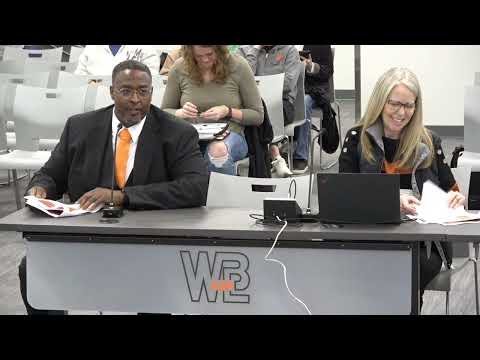
Central Middle School leaders highlight improved student belonging, counseling model recognition and instructional practices
Summary
Central Middle School presenters described growth on student experience measures, an ASCA Model Program designation for counseling, and instructional strategies (questioning, student agency) they credit for academic gains; board members asked about capacity and cohort effects.
Central Middle School staff presented the school's mission-aligned approach to middle‑grade learning and highlighted recent gains in student experience metrics and academic trends.
Presenters said the school focused this year on three priorities — purpose for learning, quality of questioning and tracking student status — and described classroom practices that support those goals, including stronger questioning, flexible grouping and routines to build adult–student relationships.
They cited survey improvements comparing 2024 to 2025: a roughly 9.6% increase in students reporting a sense of belonging, a 12.3% increase in feeling respected and a 19.4% increase in identifying caring adults at school. Central's counseling program was identified as an ASCA Model Program by the American School Counselor Association, a recognition staff said fewer than 2,000 schools have nationally and one of 12 in Minnesota this year.
Staff also discussed outcomes on Minnesota Comprehensive Assessments (MCA): presenters said sixth‑grade results remained relatively flat while seventh and eighth grades showed gains; they emphasized cohort and grade‑level analyses rather than attributing change to a single cause.
Board members asked how new building space — a dedicated sixth‑grade side, new cafeteria and gym — affected student behavior and transitions. The presenter said the expanded spaces eased crowding, supported separate routines for sixth graders, and that out‑of‑school suspensions had declined while attendance and academic measures improved.
The presenter gave the school’s current enrollment as about 958 students and said the building can hold more students following expansion. Questions from trustees focused on cohort comparisons, feeder elementary schools, and how the school disaggregated scores (by cohort and by grade) to understand trends.
Next steps and context: staff said they will continue to analyze cohort data, maintain focus on student experience, and refine approaches to accelerate academic growth. The presentation closed with board appreciation and a transition to the next agenda item.