Get AI Briefings, Transcripts & Alerts on Local & National Government Meetings — Forever.
Arizona House passes GOP budget package, including full tax conformity, after heated debate
Summary
The Arizona House voted 33–22 April 26 to advance a Republican budget package that implements full conformity with federal tax changes and includes a range of spending and tax adjustments; the vote followed hours of debate over cuts to healthcare, SNAP/Access and higher education and controversies around data‑center tax incentives.
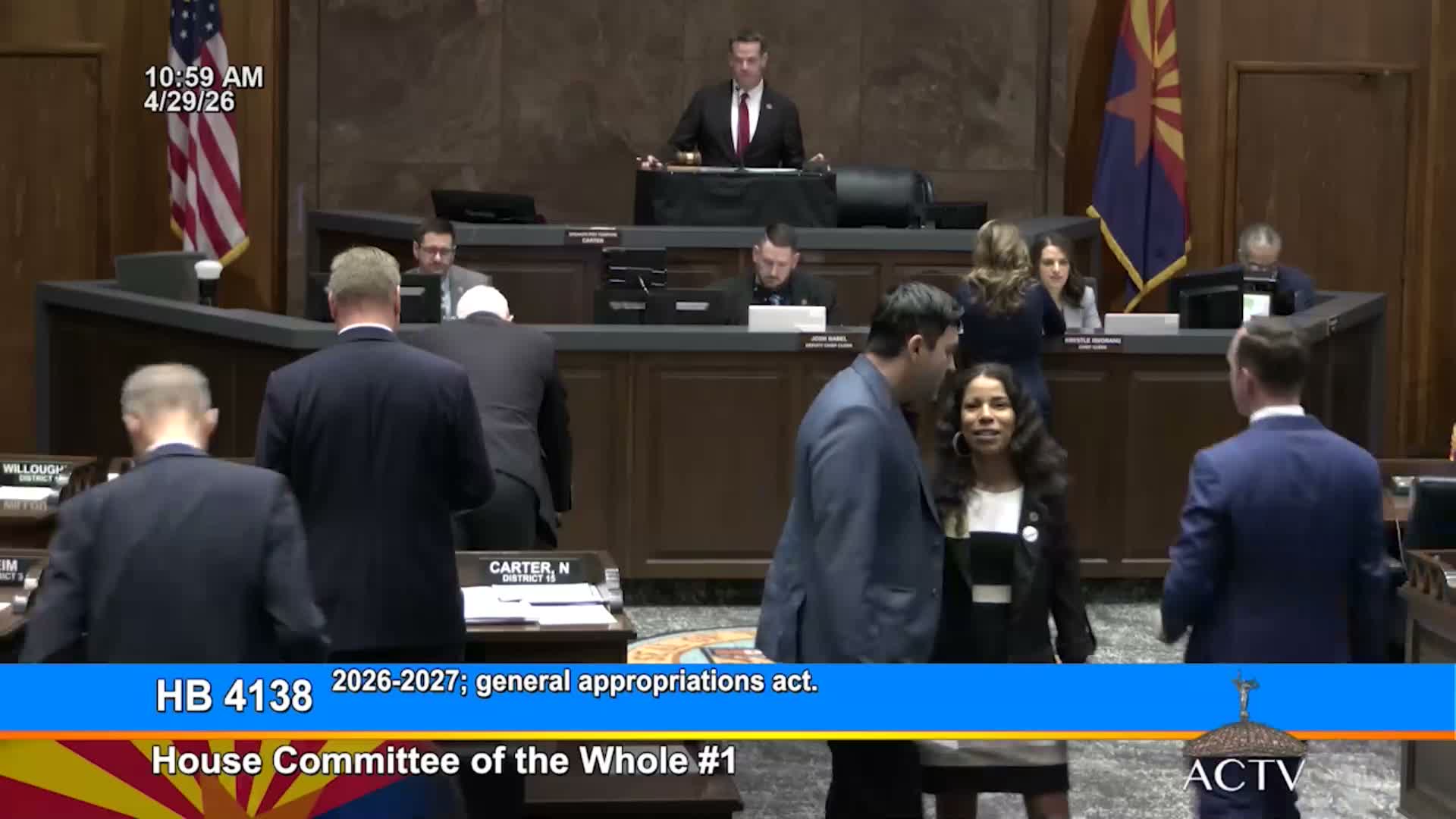
The Arizona House of Representatives passed a broad budget package on April 26, sending the measures to the state Senate after a 33–22 recorded vote on the lead budget bill, HB 41‑38.
Supporters said the package balances the books while returning substantial tax relief to Arizonans through state conformity with 2025 federal tax changes. “If this passes and the governor signs it, the refunds Arizonans already received for calendar year 2025 are theirs to keep,” Representative David Livingston (bill sponsor) said during closing remarks, saying the bill locks in refunds and allows households to adjust withholding going forward.
Opponents faulted the plan for its mix of cuts and incentives. “How can we justify a $30,000,000 tax credit for data centers when seniors will go hungry and homeless?” Representative Patty Contreras said, citing a $7,000,000 reduction to Area Agencies on Aging that she said would reduce meals and home‑and‑community services for seniors. Democrats also highlighted a cited $126,000,000 reduction in health‑care spending and cuts to programs that support housing and universities.
Key provisions and outcomes - Budget adoption: Committee of the Whole reported HB 41‑38 do pass; the House later recorded final passage (33 ayes, 22 nays). The clerk was instructed to convey the bill to the Senate. - Tax conformity: The package includes HB 41‑52, a tax‑conformity/omnibus measure that applies the federal 2025 changes at the state level, expands the standard deduction, increases the child credit (from $100 to $125), creates a new state deduction for certain child‑care expenses and adds a $6,000 senior/retirement distribution deduction. Sponsors argued conformity was required to prevent filers from having to amend returns; Representative Phil Olson called it “the best part of this budget.” - SNAP/Access and program integrity: Legislators pressed agency officials about cuts and program integrity. Committee exchanges cited a reduction of about 172,222 people from Access (Medicaid) enrollment between July 2025 and April 2026; JLBC estimates savings tied to reduced enrollment were discussed but members disputed whether programmatic cuts were appropriate. - State employee health trust: The package includes a phased increase in state employee premium shares (10% first year, then 5% and 5%) to shore up the Health Insurance Trust Fund; committee witnesses described structural shortfalls in the trust that motivated the change.
Debate and evidence in the record Lawmakers on both sides read prepared examples and committee findings into the record. Assistant Leader Representative Nancy Gutierrez, answering a question about research funding, said a fund sweep of $24,900,000 for FY26 would recall dollars already spent on research and “will really impact our universities, their research and their staff.” Representative Livingston, sponsor of the budget bills, repeatedly told members many bills were continuations of last year’s enacted budgets and defended the package’s technical and timing choices.
What passes and what’s next The House referred multiple budget and implementing bills (HB 41‑38, HB 41‑39, HB 41‑40, HB 41‑41 and others) to engrossing after committee recommendations and then carried final floor votes on the calendar. The bills now move to the Senate for consideration; the clerk recorded and conveyed each passed bill.
Why it matters Supporters say the bills stabilise state finances, preserve core services and return tax relief to households through conformity; critics say the package prioritizes corporate incentives—citing multi‑million dollar data‑center tax credits—while cutting programs that serve vulnerable Arizonans, including seniors, people on Medicaid/Access and public higher education.
The House adjourned to reconvene later this week; the budget package is expected to be a central subject of Senate consideration and, if passed by both chambers, of the governor’s signing or veto decisions.