Get AI Briefings, Transcripts & Alerts on Local & National Government Meetings — Forever.
Hundreds of minutes of public comment center on police accountability and meeting decorum
Summary
Public invited-to-be-heard at Aurora's May 4 council meeting ran long. Dozens of residents, faith leaders and advocacy groups urged accountability for officer-involved deaths and criticized efforts to limit or sanitize public speech; organizers demanded transparency and community control over policing.
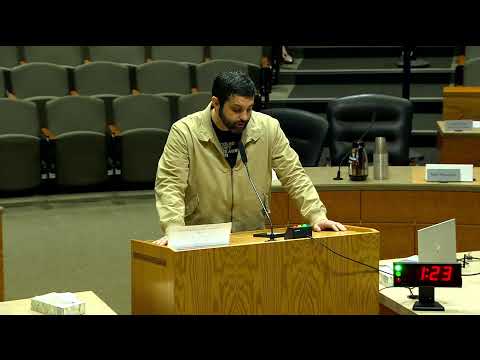
A major portion of the Aurora City Council's May 4 meeting was taken up by public invited-to-be-heard, where faith leaders, bereaved family members and organizers delivered repeated calls for police accountability and criticized proposals to restrict the tone of public comment.
Debbie Stafford, who identified herself as chair of the Aurora Community of Faith, urged civility from the gallery but also asked the council to foster healing. In contrast, members of the Denver Aurora Community Action Committee told the council that decorum rules should not be used to silence families demanding accountability. "If there is no subpoena power in an oversight board, I want to know what good is an oversight board," said Jeffrey McFarland, who described himself as affiliated with the Denver Aurora Community Action Committee.
Several speakers named specific cases and demanded the firing of Chief Todd Chamberlain and the immediate release of body-camera footage after officer-involved shootings. Tristan Hoost said the substitute resolution the council later adopted was "a start" but urged concrete steps such as releasing footage "immediately after every officer involved shooting." LaRhonda Jones and other family members of people killed in police encounters urged the council to back symbolic language with structural change.
Other public comments covered neighborhood concerns about proposed access roads to the Aurora Reservoir, grief resources offered by local nonprofits, construction transparency and apprenticeship tracking, and requests for better outreach from council offices.
The meeting also featured a point of privilege from Council member Jackson asking the council and audience to protect the three-minute public-comment period and refrain from interruptions so speakers can be heard.