Get AI Briefings, Transcripts & Alerts on Local & National Government Meetings — Forever.
Alleghany County tax administrator briefs board on proposed state levy limits and property tax bills
Summary
Rita Miller, Alleghany County tax administrator, told the board several state bills could change revaluation schedules and would impose levy limits through a proposed constitutional amendment; she presented an association template resolution opposing such a levy cap and offered to follow up with details on senior protections and deferred-tax language.
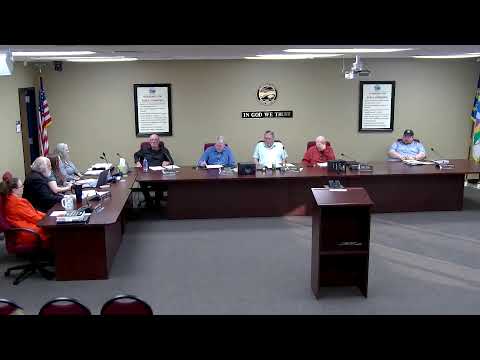
Rita Miller, the county's tax administrator, told the Alleghany County Board of Commissioners that multiple bills in the North Carolina legislature could affect local property-tax policy, including proposals described as levy limits that would require a constitutional amendment and leave the exact cap to later definition by law or rule. "I'm not here to advocate. I'm just here to educate," Miller said as she summarized the bills and a template resolution circulated by the North Carolina Association of County Commissioners opposing a levy-limit amendment.
Miller listed several measures under discussion at the General Assembly, identifying examples she had been tracking: House Bill 1181, Senate Bill 798, House Bill 1092 and Senate Bill 889, and she singled out House Bill 1059 as a proposed constitutional amendment that would impose a limit on tax levies. She warned the board the levy-limit language in some proposals is vague and could force counties to adjust budgeting and revaluation timing depending on how the limit is defined after enactment.
Commissioners asked whether the measures would affect Alleghany County's current revaluation cycle. Miller said most versions target 2026 reevaluation counties and that Alleghany County is on a 2027 schedule, so the immediate effect on the county would be limited this cycle. She also said different bill drafts treat senior exemptions and deferred taxes differently and that some proposals include deferred-tax language tied to property transfers.
Miller urged commissioners to review materials on the association's website and offered to share a follow-up summary. "There are several versions out there, and I'll be glad to send you a follow-up if you want to get lots of information," she said. The board did not take formal action on the taxes item during that presentation; Miller's briefing was educational and intended to inform future consideration and potential resolutions.
The county manager later noted the broader budget context—ongoing work to close an estimated $800,000 gap—which commissioners said would influence the county's posture on any state-imposed levy changes.