Get Full Government Meeting Transcripts, Videos, & Alerts Forever!
Get email alerts on the Land Use topic
No spam. Unsubscribe anytime.
Erie council approves Spring Hill preliminary plat, with oil‑well cleanup and drainage conditions
Summary
The council approved a preliminary plat for Spring Hill, a 300‑acre planned community with 632 lots, conditioned on confirmed plugged-and-abandoned status for on‑site oil and gas wells and compliance with setback requirements; residents pressed officials on water and traffic impacts.
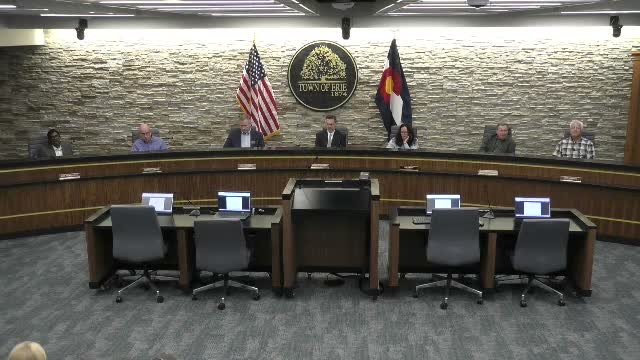
The Erie Town Council on April 14 approved a preliminary plat for Spring Hill, a roughly 300‑acre planned community that would create about 632 residential lots, reserve a roughly 10‑acre school site and conserve roughly 162 acres of open space, subject to conditions tied to oil‑and‑gas remediation and setback compliance.
Staff said the proposal fits the town’s low‑density residential comp plan designation and recommended approval with conditions requiring documentation that all wells within the plat boundary are formally recognized as plugged and abandoned and that no final plat creating residential lots will be approved until the lots meet applicable oil‑and‑gas setback rules. “The applicant must provide the town with documentation that all oil and gas wells within the boundaries of the preliminary plat have achieved plugged and abandoned status,” staff told council.
Developer representatives said the project has a long approval history and that most wells have been plugged and abandoned; they acknowledged one well still needs a final state acceptance report. “We’re one report away from having that resolved,” property owner representative Chris Elliott said, describing talks with the operator and the state agency and saying the team would complete required remediation and filings.
Residents raised questions about water, traffic and safety. A nearby resident pressed council on water reliability and flooding after recent local events; another described congestion at the Highway 52/County Road 3 corridor and urged careful coordination with CDOT and neighboring jurisdictions. Staff said traffic analyses for the plat look ahead to 2050 and that the project’s traffic and drainage designs include an off‑site roundabout concept at Highway 52 and County Road 3 and a new culvert under Highway 52 sized for a 100‑year storm.
Council members probed details on detention, ditch crossings and the project’s coordination with Boulder County, Frederick and CDOT. The council’s approval includes two key conditions aimed at ensuring public safety and legal compliance: (1) town receipt of evidence that wells have achieved plugged‑and‑abandoned status with state acceptance, and (2) that final plats creating residential lots must meet applicable UDC oil‑and‑gas setback requirements.
The council moved the measure after deliberations about roads, schools and parkland; a motion to approve passed on a voice vote. The project team estimated a five‑to‑eight‑year build‑out subject to market conditions, and staff noted approvals at preliminary plat do not themselves create final legal entitlements for lots pending later final‑plat review and developer agreements.
Next steps: the applicant will continue remediation work with the state and work with the town on final plat details, traffic improvements and the development agreement before lots could be recorded.