Get Full Government Meeting Transcripts, Videos, & Alerts Forever!
Get email alerts on the Budget topic
No spam. Unsubscribe anytime.
Dover Area SD officials warn of widening budget gap, present tax-increase scenarios
Summary
District finance staff told the board the 2026–27 preliminary budget faces larger deficits driven by medical-premium increases, higher York Tech tuition counts and slower basic-ed subsidy growth; even a maximum millage increase could leave a multi‑million‑dollar shortfall. The board asked administration to return in April with tax-scenario specifics.
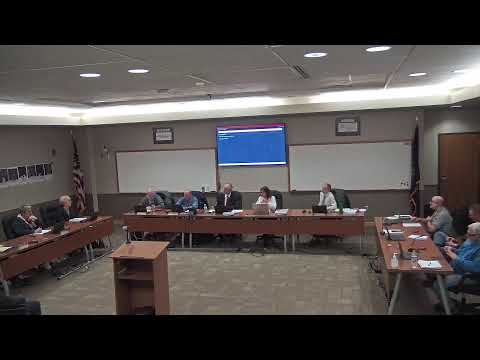
At a March board meeting, Dover Area SD officials laid out a preliminary 2026–27 budget showing a growing deficit and asked the board to consider a range of tax-increase scenarios.
Mrs. Weaver presented the updated budget and said the district’s projected shortfall has increased after higher medical-premium costs and other expense drivers. "An additional $750,000 has been added to the anticipated 25–26 deficit," she told the board, citing actuary figures for higher health costs in the first half of the fiscal year.
Weaver also noted enrollment and tuition changes affecting the district’s obligation to York County School of Technology: York Tech revised projected acceptances from 86 to 97 students, which Weaver said added about $168,000 to the budget. She explained that, combined with a decline in year‑over‑year basic education subsidy growth, those pressures are worsening the forecast.
The presentation included four tax-increase scenarios (1%, 2%, 3%, and a higher statutory maximum) showing different impacts on the shortfall and on projected fund balances. Board members pressed for clarity on assumptions; a senior board member summarized the administration’s calculation that even with a maximum allowable millage increase the district could still face a remaining deficit of approximately $3.5 million.
Directors discussed the district’s fund-balance trajectory and the long-term risk of running out of reserves. Weaver warned that sustained deficits and depleted cash could, in extreme cases and after state intervention protocols, lead to state oversight; she described a range of temporary remedies such as loans or watch-list assistance but emphasized those would be undesirable and potentially disruptive.
Board members asked administration to return in April with scenario-specific slides showing (a) the projected millage change, (b) the exact effect on the 2026–27 deficit, and (c) the multi-year fund-balance forecast for each option. The board did not take a decisive vote on a tax increase at the meeting.
What’s next: administration will prepare the requested millage scenarios, with forecasted fund-balance outcomes, for the board’s April meeting so directors can weigh whether to place a tax question before voters or pursue other deficit‑mitigation steps.