Get Full Government Meeting Transcripts, Videos, & Alerts Forever!
Get email alerts on the School Counselors topic
No spam. Unsubscribe anytime.
Paramount Unified counselors say new scheduling shifts force them to teach and cut counseling time
Summary
Multiple elementary and middle school counselors told the Paramount Unified board that a staffing directive requiring counselors to cover teacher planning time is reducing access to counseling, limiting crisis response and creating what speakers called a “second full‑time job.”
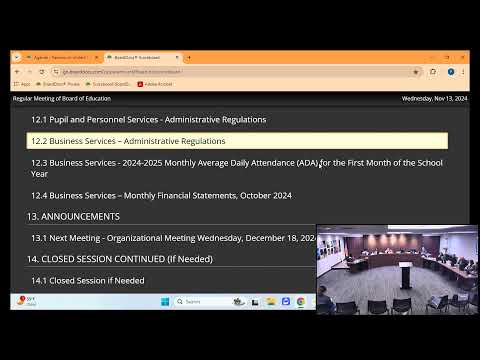
Multiple counselors told the Paramount Unified School District Board of Education on Nov. 13 that a new staffing model is pulling them out of core counseling duties to cover teacher planning time, leaving students with fewer supports and hampering crisis response.
“This year I have only two [days] to fulfill counseling duties,” said Danielle Kett Sledger, identified in the record as a counselor at Collins Elementary School. “The other three days comprise what I can only describe as a second full‑time job.” She said counselors were not given substitutes, that she was required to teach 44 forty‑five‑minute lessons per month and that the change has forced her to discipline students while teaching lessons, which strains relationships she had built with students.
Rosa Edwards, a counselor at Hollydale School, told the board that a directive requires TK–5 counselors to spend 40% of their time teaching during teacher planning periods. “This reduces the time counselors can dedicate to vital tasks,” Edwards said, adding that the change limits parent follow‑ups, attendance work and immediate crisis interventions.
Kelly Murphy, a Jefferson Elementary counselor, described spending “approximately 35 to 40%” of her time covering teacher planning. Murphy gave a recent example in which no staff were available to support a struggling student and the child’s parent took the student home, saying the situation showed the model can compromise prompt crisis response.
Speakers asked the board to reconsider the policy or identify alternatives, including increased substitute coverage, clearer role definitions for counselors, and better coordination so counselors can meet both instructional and mental‑health responsibilities. April O’Connor, speaking as an individual, tied the change to broader restructuring that removed some coaching and support positions and shifted responsibilities onto counselors and teachers.
Board members listened during the public‑comment period; the public record shows multiple counselors and union representatives raised the same theme across speakers: added teaching duties for counselors, inconsistent training for new curricular programs, and concerns about how the changes affect students with higher needs.
The board did not take immediate policy action during the public comments; several speakers asked staff to follow up. The superintendent’s and staff reports later in the meeting outlined training and equity initiatives but did not announce an immediate reversal of the staffing model.
Next steps: Counselors asked the board to publicly reconsider the directive and requested meetings between site leaders, union representatives and district administrators to identify staffing or substitute solutions. The transcript indicates staff will follow up where contact information is provided.