Get Full Government Meeting Transcripts, Videos, & Alerts Forever!
Get email alerts on the School Aid Formula topic
No spam. Unsubscribe anytime.
Preston County leaders press lawmakers to change state school-aid formula for rural districts
Summary
Preston County School Board members and visiting legislators discussed proposed changes to West Virginia's school aid formula, saying the decades-old formula disadvantages rural districts and that charter and Hope scholarship enrollments are eroding local personnel funding.
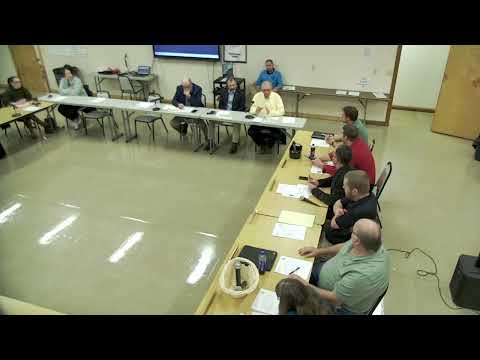
Preston County school officials and state legislators spent more than an hour Wednesday focusing on the state's school aid formula and its effects on rural districts.
"Education is the basis of everything," said Mr. Dennis, one of the legislators at the meeting, urging local input on formula changes and saying the state must balance statewide fairness with county needs. Board members and staff said the current formula, they said, has not been substantially updated in decades and can leave rural counties at a competitive disadvantage.
Board staff described concrete local impacts. Officials said district enrollment fell sharply this year — roughly 279 students in total — because some families moved their children to charter or home-school options. That drop, they said, reduced the district's personnel funding under the current formula and forced difficult staffing decisions.
"Those districts operating without an excess levy are distinctly challenged," said Mr. Martin, who asked lawmakers to consider weightings or adjustments that better reflect rural cost pressures. Staff and board members said reallocation rather than a net increase in state funds is one likely outcome of formula changes unless the Legislature adds new revenue.
Board members and administrators asked legislators to consider: recalibrating minimum staffing allowances for small schools, adjusting weights that account for geographic isolation and transportation costs, and ensuring charter and scholarship programs do not inadvertently depopulate local funding bases.
Board staff also described administrative complications tied to charter schools: the district must process large numbers of Hope and charter applications and, in some cases, is responsible for tracking students who later return — a process they say reduces staffing capacity for instructional work.
Legislators at the meeting said they have proposals in committee and that any change will face statewide political tradeoffs: "When you change the formula at the state level it helps some counties and hurts others," one legislator said. Several attendees urged lawmakers to protect rural counties from unintended losses if locality pay or other targeted increases are adopted elsewhere.
Next steps: Board members were asked to provide additional data on student movement and staffing impacts so legislators can quantify the effect of proposed formula changes during committee deliberations.