Get Full Government Meeting Transcripts, Videos, & Alerts Forever!
Get email alerts on the Housing Fund topic
No spam. Unsubscribe anytime.
EDA debates use of housing fund: $100,000 builder loans, tax‑abatement timing and program limits
Summary
Board members reviewed Fund 208 (housing) and discussed whether to continue tax‑abatement incentives and a $100,000 builder loan program as lot inventory falls to roughly 10 remaining; proposals included limiting concurrent loans and preserving a $150,000 cushion to meet abatement obligations.
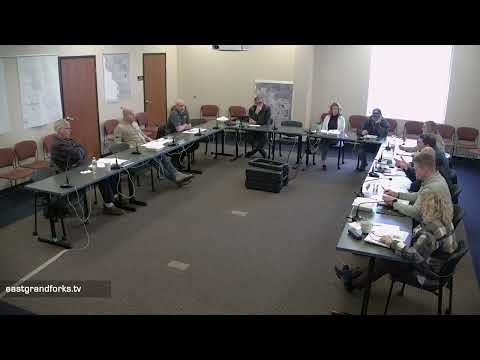
The East Grand Forks Economic Development Authority spent a substantial portion of its Jan. 28 meeting reviewing Fund 208 (the housing fund) and weighing how to use remaining resources as the EDA’s unsold lot inventory falls to roughly 10 parcels.
Carla, who presented draft year‑end account figures, said rebates remaining in the 280 housing fund (about $45,500) will be moved to fund 620 (EDA general) after accounts payable are posted and that final December numbers will be reported next month. Board members said the housing fund balance is roughly $330,000; recurring inflows include a Valley Golf loan payment that contributes about $18,000 a year to the fund.
The board reviewed two incentive mechanisms used previously: a two‑year new‑home tax abatement (authorized for homes completed through 2026) and a builder loan program that has offered loans of up to $100,000. Members raised concerns that continuing multiple concurrent builder loans could deplete liquidity needed to meet abatement obligations and suggested limiting active loans (a proposal discussed was reducing the maximum concurrent loans from three to two). Reed and others noted loans historically have been repaid within a year, which replenishes the fund when developers start building.
Board members asked staff to clarify repayment timeframes, security and interest terms in the loan documents and to consider targeted advertising for the loan/incentive programs because several developers were unaware the program exists. The two‑year tax abatement must be brought forward for renewal through the board and the other governing bodies (city council, county, and school) if the board wants to continue it beyond the current authorization through 2026.
Why it matters: The board’s choices will determine whether the Authority uses remaining housing funds to subsidize new‑home construction (through abatements or loans) or conserves cash to meet existing obligations.
Speakers (selected): Carla (presenting draft financials); Reed (board member advocating cautious loan limits); Director (participated in framing renewal steps).