Get Full Government Meeting Transcripts, Videos, & Alerts Forever!
Get email alerts on the Tax Administration topic
No spam. Unsubscribe anytime.
Lawmaker proposes Improving IRS Customer Service Act to add wait-time dashboard and expand callbacks
Summary
A lawmaker outlined the Improving IRS Customer Service Act, proposing an online dashboard to report average IRS call wait times, callbacks for callers facing waits longer than five minutes, and a program to identify and help struggling taxpayers; he cited prior callback tech savings and sought a commitment to implement the changes.
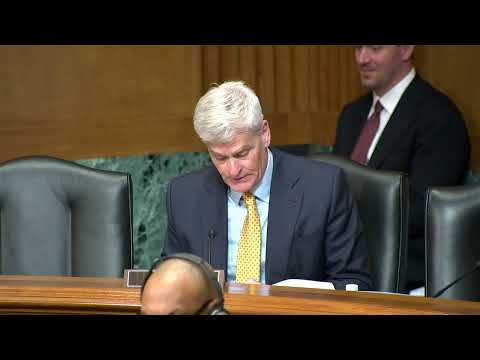
A lawmaker presented the Improving IRS Customer Service Act, saying the bipartisan proposal would require the IRS to publish an online dashboard of average call wait times, expand callback options for callers waiting more than five minutes and create a program to identify and assist taxpayers struggling to make payments.
The bill’s sponsor cited earlier technology upgrades as evidence the changes can work: “callback technology saved approximately, I’m told, 919,000 hours for taxpayers in cases where wait times might exceed 15 minutes,” and web usage has increased by “almost 60%,” he said, arguing those figures show modernization initiatives are producing results.
Under the proposal, the IRS would be mandated to create a public dashboard so taxpayers can monitor average wait times and “budget time accordingly.” The lawmaker described the second provision as allowing callback when callers face waits longer than five minutes and the third as a program to identify taxpayers with cash-flow difficulties and provide information on alternative payment options, including installments, partial payments and offers in compromise. “And third, establish a program to identify and support taxpayers struggling to make ends meet by providing information about alternative payment methods such as installments, partial payments, and offers in compromise,” he said.
The speaker framed the measures as a response to everyday hardship, saying people in a cash-flow crunch sometimes “don’t know where to turn” and at times view the IRS as one of their creditors; he said the measures could “ease anxiety.” He called the legislation bipartisan and said he believed it was likely to pass this Congress, then asked whether officials would commit to working with Congress to implement the reforms.
A respondent said they were willing to engage: “I’m happy to meet with the team and work with the team and do it all I can to make it as good as you want it to be,” according to the transcript. The exchange in the provided transcript did not include a formal motion, vote or other recorded action on the measure.
Next steps were not specified in the transcript: the speaker urged swift implementation and sought collaboration, but no formal referral, vote or timeline was recorded.