Get Full Government Meeting Transcripts, Videos, & Alerts Forever!
Get email alerts on the School Facilities topic
No spam. Unsubscribe anytime.
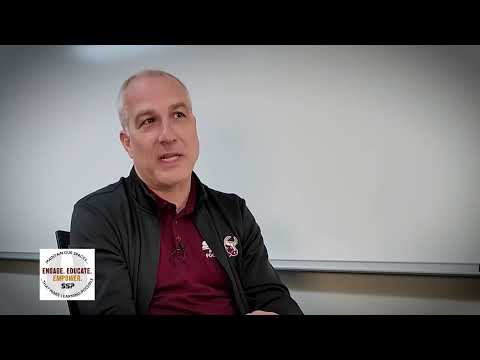
Staff member urges attention to aging electrical, HVAC and roofs, saying many fixes are "invisible" to voters
Summary
A staff member reviewing the district facility study warned that aging electrical systems, roofs and HVAC units pose safety and reliability risks and said modern replacements could save energy and improve air quality; no bond amount or timetable was provided.
A staff member speaking about the district's facility study urged attention to largely unseen maintenance needs, saying aging electrical systems, roofs and heating, ventilation and air-conditioning units could create safety and reliability problems and that modern replacements can save energy and improve indoor air quality.
The staff member said many items identified by the facility study are not obvious to the public, noting that "if we do the tennis court, people will notice that, but the vast majority of things that were identified on our facility study are just things people aren't going to see." They argued that invisible infrastructure—electrical distribution, air handlers and roof systems—can nevertheless present material operational risks.
On risks, the staff member warned of possible outages and hazards, describing safety as their primary concern if critical systems fail. They listed specific vulnerabilities: "Antiquated ... old electrical systems," failing air handlers, leaky roofs and the loss of a transformer as examples that could lead to lost power or worse. The staff member said replacing aging air handlers would offer efficiency gains and health benefits: "we're going to save money on electricity" and provide "better air quality for our kids and our staff."
The presentation framed these upgrades as both a safety priority and a potential long-term cost saver, while acknowledging that many of the improvements would be invisible to voters weighing a bond. The staff member referenced a district facility study as the basis for these identifications but did not provide a bond amount, timeline or a formal recommendation in the remarks on the record. The timetable and any formal steps toward a bond measure were not specified.