Get Full Government Meeting Transcripts, Videos, & Alerts Forever!
Get email alerts on the Community Programs topic
No spam. Unsubscribe anytime.
Sequim students grow and maintain 140 downtown flower baskets through Sequim and Bloom program
Summary
A presenter described Sequim’s 'Sequim and Bloom' program, a 30-year partnership with the high school that grows and installs 140 flower baskets using reclaimed "purple pipe" water. The program teaches transplanting, irrigation and customer-service skills and credits local volunteers and Chamber leaders.
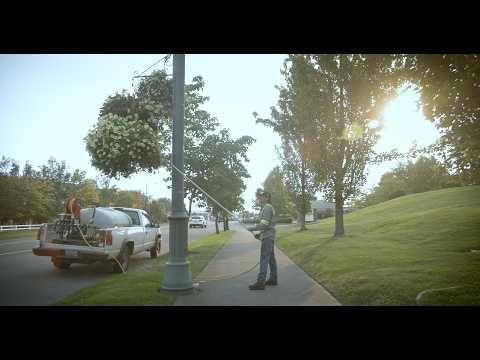
A presenter described Sequim’s Sequim and Bloom flower-basket program as a roughly 30-year partnership with the local high school that grows and installs about 140 downtown flower baskets using reclaimed "reuse" or "purple pipe" water. The presenter said the program combines horticulture training with community beautification and volunteer support.
The presenter said students begin with tiny buds and transplant the plants multiple times, often four times, and that it usually takes "at least three to four months" before plantings are ready for the large hanging and ground baskets. "It's a win-win for us and for the school," the presenter said, describing reclaimed water as a lower-cost, nutrient-rich irrigation source.
The program has expanded as the city grows, the presenter said, and now maintains roughly 140 baskets, "so usually about 20 of them are ground baskets and the rest are all hanging baskets." The presenter described classroom and hands-on lessons students learn through the program, including watering systems, sprinkler systems and hydroponics, as well as sourcing materials and customer-service skills when working with the public.
The presenter credited Emily Wescott, the Chamber of Commerce, Daryl Sharp and Jim Bay with helping start the program and thanked volunteers who assist with planting and related projects such as tree work at Kerry Blake Park. The presenter described a recurring moment when staff take students to see the installed baskets and students react, "Wow, we did that," as evidence of the program’s educational and motivational impact.
The presenter framed the program as both cost-effective for the city — because reclaimed water reduces potable-water costs and adds nutrients for plants — and beneficial for students’ job-readiness. There was no formal vote or policy decision recorded in this presentation; the remarks were a program overview and acknowledgement of partners and volunteers.
Next steps were not specified during the remarks; the presenter emphasized ongoing volunteer and school involvement as the program continues.