Fairmount line frequency upgrades, planned electrification highlighted as equity measures
Summary
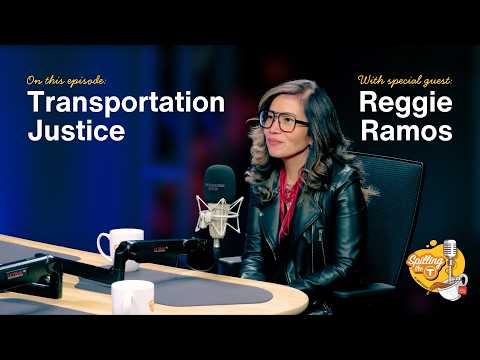
On the Spilling the Tea podcast, Reggie Ramos described adding trips to make Fairmount line service roughly 30-minute frequency, tied to plans for battery-electric locomotives and environmental‑justice goals for riders who rely on commuter rail.
Reggie Ramos, executive director of Transportation for Massachusetts, said pilots at the MBTA have targeted service frequency on the Fairmount line to improve reliability for communities with essential workers. Ramos described adding trips—"I added four more trips in the morning, four more trips in the evening"—which moved the line from infrequent, roughly hourly service to a more frequent, clock-faced pattern she said approaches 30-minute headways.
Ramos connected service improvements to equity, saying improved frequency gives riders dignity and more dependable access to jobs and child care. She also noted that the Fairmount line is slated to receive battery-electric locomotives in the near future, tying electrification to climate and public-health objectives.
Andrew Cassidy and Ramos discussed how pilots allow agencies to test service changes on a shorter time horizon than full capital projects; Ramos said pilots let staff assess whether programs work within months to a year. She framed incremental frequency increases as "monumental change" for riders who previously had few options.
Ramos cautioned that these changes take time: transportation projects often have long horizons, and sustained partnerships among agencies, advocates and community groups are needed to translate pilots into durable service improvements. She credited collaborative work between advocates and MBTA staff for enabling some of these pilot outcomes.
AI generated
The text on this page is AI generated. Summaries, highlights, analysis, and video transcripts are all produced from the original source material.
AI can make mistakes, so if you spot one, and we will fix it for everyone.
Note: the source content is unaltered by us. Any content source we link to, be it a video, an audio recording, or a document, is presented exactly as its publisher released it. That publisher is usually a government body, sometimes an individual official or another organisation.