Get email alerts on the Victim Engagement topic
No spam. Unsubscribe anytime.
Task force to organize victim panels, considers adding a victim representative
Summary
Steering committee members supported staging victim panels (targeted for Sept–Oct 2026) to capture victims' experiences with courts and services, and discussed drafting an ordinance to create a seated victim representative on the task force while emphasizing trauma-informed protocols for panels.
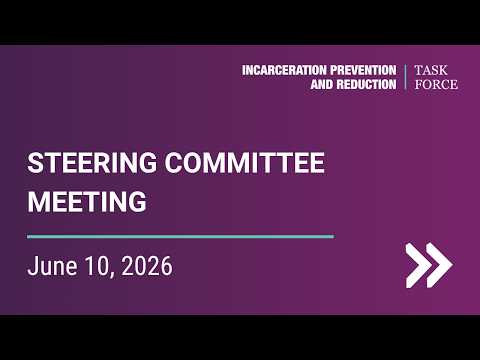
On June 10, 2026, the Wakom County IPRTF Steering Committee discussed plans to convene one or more victim panels to surface how victims experience the criminal-justice system and to consider whether a victim should hold a seated position on the task force.
Members proposed holding a victim panel in the fall (Sept.–Oct.) after panels on housing and lived experience. Heather and other members stressed the need for careful, trauma-informed planning: panelists should receive pre-call outreach, a trained supportive person should be assigned, and follow-up contact should be provided. Heather said, “We do not want to ever retraumatize somebody in sharing their story. We don't want to be extractive. We don't want to be spectating,” and urged development of clear protocols for outreach, questions and post-panel care.
The group debated panel scope—whether to combine victims of intimate crimes (sexual assault, domestic violence) with victims of property crimes and community impacts—and concluded that multiple types of panels or carefully tailored questions may be needed. Peter, who identified himself as willing to speak about his own experiences, said he would support moving forward with a careful process and volunteered to help.
Committee members also supported the idea of creating a victim seat on the IPRTF and asked staff to draft ordinance language and bring the matter back for a formal vote; Jill said she would attempt to prepare ordinance language but cautioned about timing and staff availability. The steering committee asked that the task force place the item on the IPRTF agenda so members can provide an official recommendation to the county council.
Next steps: Staff and committee members will draft a victim-panel protocol, plan panel timing (tentatively Sept.–Oct. 2026), and prepare ordinance language to add a victim representative to the IPRTF for consideration by the full task force and, if approved, the county council.
AI generated
The text on this page is AI generated. Summaries, highlights, analysis, and video transcripts are all produced from the original source material.
AI can make mistakes, so if you spot one, and we will fix it for everyone.
Note: the source content is unaltered by us. Any content source we link to, be it a video, an audio recording, or a document, is presented exactly as its publisher released it. That publisher is usually a government body, sometimes an individual official or another organisation.