Get email alerts on the Conditional Use Permit topic
No spam. Unsubscribe anytime.
How conditional‑use permits work: criteria, options and typical conditions
Summary
Staff walked commissioners through conditional‑use permits (CUPs): eligibility, the three possible decisions (approve, deny, approve with conditions), and typical code criteria including traffic, public services and neighborhood impacts.
City staff presented a step‑by‑step approach for evaluating conditional‑use permits and emphasized that the commission's role is to decide whether an application meets specific code criteria rather than whether members personally like a proposal.
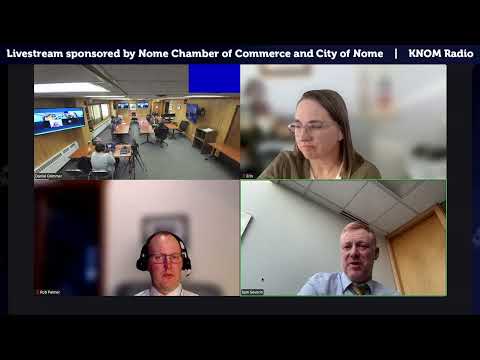
"So the planning commission has three main options for as they consider the conditional use permit request. So one is to approve it ... to deny it or to approve it with conditions," Erin said, walking commissioners through the standard checklist: legal and plan conformance; impacts on character of the area; traffic and circulation; public services (water/sewer/fire); and neighborhood issues such as noise, hours and screening.
Presenters noted that when the commission is unsure whether impacts can be mitigated, conditions can be imposed — for example, restricting hours, limiting vehicle types, or requiring physical screening — and that conditions are typically the applicant's responsibility to implement and maintain. Commissioners were also told that if impacts exceed what conditions can mitigate, denial is appropriate and should be supported by written findings tied to code criteria.
Staff encouraged commissioners to use clear findings of fact and conclusions of law and to ask clarifying questions of applicants during the applicant presentation rather than turning the public hearing into extended debate.
AI generated
The text on this page is AI generated. Summaries, highlights, analysis, and video transcripts are all produced from the original source material.
AI can make mistakes, so if you spot one, and we will fix it for everyone.
Note: the source content is unaltered by us. Any content source we link to, be it a video, an audio recording, or a document, is presented exactly as its publisher released it. That publisher is usually a government body, sometimes an individual official or another organisation.