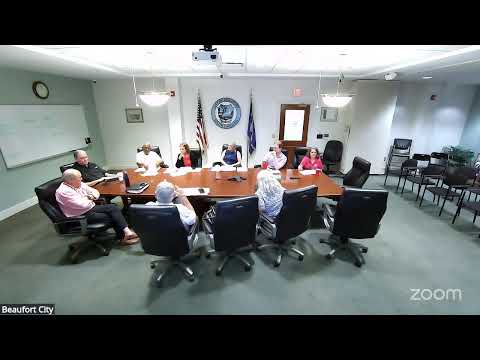
Task force debates what counts as 'low-hanging fruit' as members plan pilot projects
Summary
Members disagreed over selection criteria for demonstration projects: some pushed for quick, visible wins; others warned many candidate properties are complex and costly. The group agreed members will each nominate five properties with rationales ahead of the next meeting.
Members debated how the task force should pick demonstration properties that will showcase the program's effectiveness.
Some members urged the group to prioritize projects likely to produce quick, visible success that can build momentum. "I wanna take my easiest thing first, and I wanna demonstrate to people that I've accomplished something and send them forward," a committee member (S4) said. Others cautioned the label "low-hanging fruit" misrepresents the complexity of many cases and risks selecting properties that will require substantial time and money.
The group resolved a compromise on process: each member should identify five candidate properties and provide reasons for their selections before the next meeting so the task force can evaluate feasibility and mix approaches (quick wins plus a more complex project). The Chair reiterated that the compiled spreadsheet will allow members to triage based on structural condition, ownership willingness and whether a property is contributing or non‑contributing to the historic district.
Why it matters: selecting demonstration projects will shape how the task force seeks funding and communicates early successes to the city and neighborhood stakeholders. Members noted that financial resources and inspection/HRB (historic-review board) timelines will strongly influence which projects are achievable in the near term.
AI generated
The text on this page is AI generated. Summaries, highlights, analysis, and video transcripts are all produced from the original source material.
AI can make mistakes, so if you spot one, and we will fix it for everyone.
Note: the source content is unaltered by us. Any content source we link to, be it a video, an audio recording, or a document, is presented exactly as its publisher released it. That publisher is usually a government body, sometimes an individual official or another organisation.