Get Full Government Meeting Transcripts, Videos, & Alerts Forever!
Get email alerts on the Va Workforce topic
No spam. Unsubscribe anytime.
Senators fault VA nominee over workforce losses, collective bargaining and claims quality
Summary
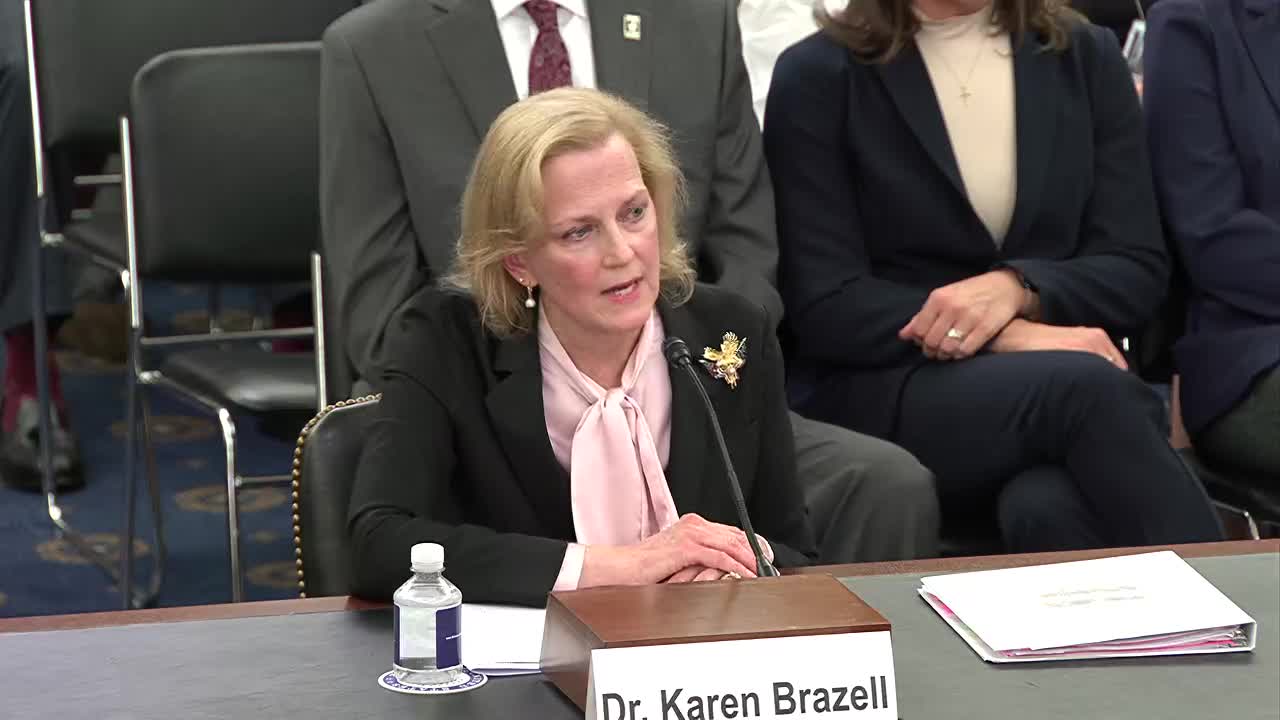
Committee members warned Dr. Karen Bridal that hiring freezes, voluntary separations and litigation over collective bargaining have reduced the VBA workforce and may harm claims quality; Bridal said she would assess workforce needs if confirmed.
Multiple senators told VA Undersecretary for Benefits nominee Dr. Karen Bridal that recent workforce changes and management decisions have harmed the Veterans Benefits Administration's ability to deliver benefits, and they pressed her to address staffing, morale and collective bargaining litigation.
Ranking Member Blumenthal told Bridal that the current administration "in effect, the workforce [has been] drastically cut through hiring freezes and demoralizing initiatives like forced overtime, an end to collective bargaining for the vast majority of the Veterans Administration workforce." He said the "mass exodus at VBA, about 50% of the VA's regional office directors have opted to leave federal service rather than implement the collective bargaining busting practices," and that "more than 1,000 claims processors have opted to leave." Blumenthal and others linked those departures to increased difficulty in processing claims and an increase in higher‑level review requests.
Senator King pressed Bridal on whether she had been involved in reviewing contracts and on the administration's FY26 budget proposal; he described the contract cancellation process as "one of the most disastrous I've ever seen" and said he had lost confidence in the nominee's involvement. Bridal repeatedly told the committee she had not been involved in VBA operations and that she would conduct a full workforce assessment if confirmed. "If confirmed, I will do a full workforce assessment," she said.
Committee questioning highlighted quantitative points that senators want clarified: the nominee said roughly 1,400 VBA staff departed through VERA/VSIP/DRP, including about 1,000 claims adjudicators; Senator King pointed to a VA internal line in the FY26 filing showing "disability compensation minus 862 people." Bridal characterized the separations as voluntary and said she could not assess the FY26 budget impact until she reviewed workforce data.
On collective bargaining, Bridal declined to comment because the issue was "under litigation." Senators repeatedly asked for written follow‑up data on separations, the proportion of separated employees who are veterans, and the projected effect of staffing changes on claims processing.
Ending: Bridal committed to assessing workforce needs, reporting back to the committee with requested metrics, and evaluating the effects of separations on claims processing and service delivery.