Lifetime Citizen Portal Access — AI Briefings, Alerts & Unlimited Follows
Senators press FAA nominee on DCA collision, military coordination and safety management system
Loading...
Summary
Committee members pressed Brian Bedford on the January collision near Reagan National, coordination between the FAA and the military, and weaknesses in the FAA’s safety management system; Bedford pledged transparency and said existing SMS processes need overhaul.
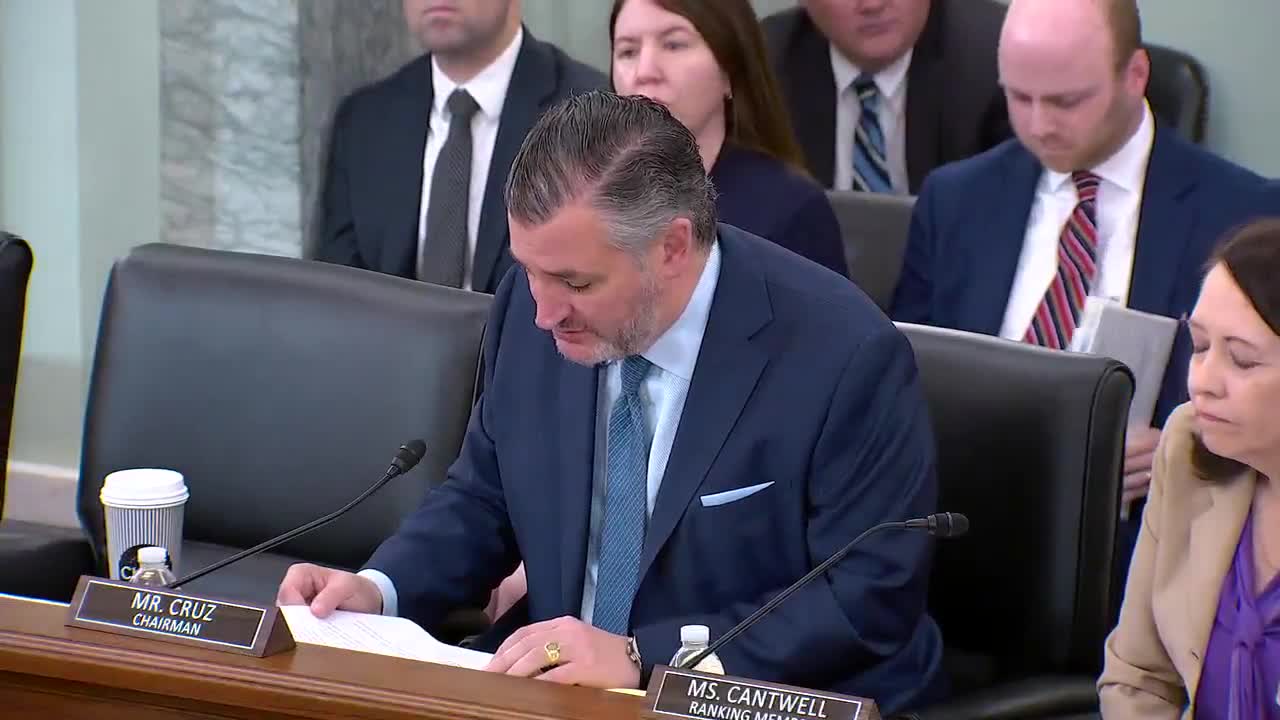
Senators at the Commerce Committee hearing repeatedly cited the January midair collision near Reagan National (DCA) — a crash that killed 67 people — as proof of systemic failures in airspace design, military coordination and FAA safety oversight.
Ranking Member Maria Cantwell, who opened the hearing with remarks recognizing family members from the Colgan crash and the DCA collision, told the nominee the FAA must ‘‘strengthen our aviation standards to honor the families who have lost loved ones.’’ The committee referenced NTSB findings describing ‘‘intolerable risk’’ in the airspace design near DCA.
Why it matters: The committee framed the crash as symptomatic of broader safety‑management shortcomings: mixed military and civilian traffic in constrained Class B airspace at Reagan National, gaps in surveillance and alerting, and uneven application of aircraft‑to‑ground equipage rules.
On military coordination, senators asked what the agency could do to prevent ‘‘mixed traffic’’ risks. Bedford said the FAA and Department of Defense were reevaluating agreements governing some military operations in the area and he supported ‘‘shine a light’’ investigations by inspectors general to find permanent solutions. He told the panel: "Transparency is going to help us find permanent solutions in terms of how we're managing the NASS."
On safety management systems (SMS), Cantwell and others said the FAA’s internal SMS processes have not detected and mitigated recurring hazards. Bedford said ‘‘our arch enemy here is complacency’’ and called for a ‘‘radical overhaul’’ so SMS is actively used in safety risk management rather than kept as a paper program.
The hearing also returned to equipment and surveillance gaps. Senators urged closing ADS‑B gaps and requiring better military equipage. Bedford said he supports ADS‑B surveillance and technologies that put more information into the cockpit and that military operators should ‘‘operate visibly’’ when flying in congested airspace.
Senators said an integrated approach is necessary — better airspace design, mandatory equipage and closer FAA‑DoD coordination — and pressed for timelines and accountability. The committee also referenced inspector general reviews and pending legislation to require an integrated, agency‑wide safety management system and prioritized airport reviews.