Lifetime Citizen Portal Access — AI Briefings, Alerts & Unlimited Follows
Creative‑economy apprenticeship pauses but OCTFME and DCTV plan to relaunch CCAP
Loading...
Summary
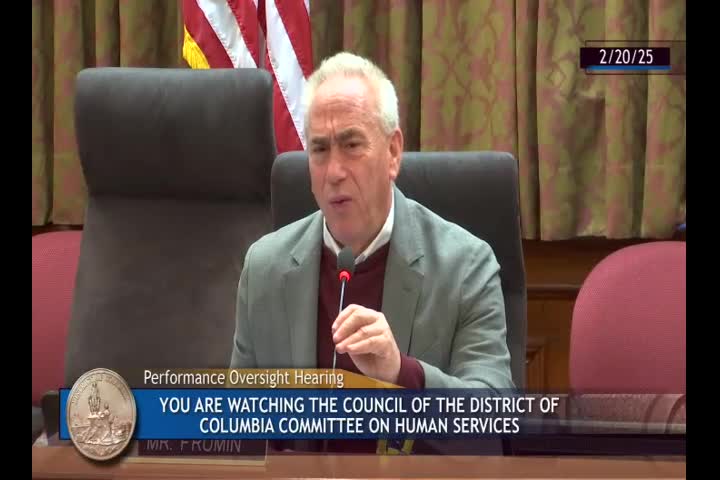
Councilmember Matt Fruman questioned OCTFME and DC TV officials Feb. 20 about the Creative Economy Career Access Program, which combines a three‑week, hands‑on training module at DCTV with a paid, multi‑month employer mentorship funded by DOES.
Councilmember Matt Fruman pressed agency leaders Feb. 20 for data on the Creative Economy Career Access Program, a workforce pipeline OCTFME manages that pairs a three‑week training module with a paid, multi‑month mentorship placement.
Nance Rickard, president and CEO of DC TV, described the training: participants spend 40 hours a week for three weeks in DCTV’s studios learning shot composition, lighting, camera and audio operation, and basic production skills. ‘‘They actually operate the equipment,’’ Rickard said, adding that employer mentors expect trainees to have this hands‑on foundation before beginning placements.
Herbert Niles, associate director of OCTFME’s film division, described the placement and selection process. OCTFME and DOES collect electronic applications; OCTFME identifies employer mentors and asks each to interview up to eight finalists. Niles said cohort size depends on the fiscal year and funding but typically ranges from five to eight trainees. He said OCTFME usually receives ‘‘35 to 60’’ applications during a selection period and aims to place candidates with an employer mentor’s first or second choice.
The mentorship is paid entirely by the Department of Employment Services; employers keep timecards and submit them to DOES for payment. Foster confirmed the wage is the District’s minimum wage for that year. Niles said follow‑up with DOES shows roughly 65 to 80 percent of program participants are employed one year after placement, although the agency did not present a year‑by‑year breakdown in the hearing.
OCTFME and DCTV also described how the program was suspended in one recent fiscal year. Foster said FY24 saw ‘‘a shortfall in the special purpose fund’’ tied to cable revenues; OCTFME suspended CCAP for one year but is planning to relaunch the program pending DOEE/DOES administrative funding and expected resources. Foster told the committee the current plan was to begin a cohort on June 3 and urged council members to share the program’s interest form while OCTFME finalizes funding details.
Committee questions focused on acceptance rates, instructor staffing during the three‑week module, how trainees are matched to employers, and whether trainees later secure work in the creative industries. OCTFME said DCTV runs the three‑week training with one main instructor and occasional assistant instructors; OCTFME staff manage the selection, placement, and oversight process and check in with trainee supervisors every three weeks during placements.
Members requested performance data, including retention and employment at one year and two years, which OCTFME said it will provide through DOES where available. Council staff also asked for clarity on FY25 funding and whether the prior special‑purpose shortfall could recur; OCTFME said it did not anticipate a repeat of that revenue shortfall but was still finalizing labor‑department funding arrangements.
No formal committee action was recorded; council members signaled continued interest in program metrics as part of broader oversight.