Lifetime Citizen Portal Access — AI Briefings, Alerts & Unlimited Follows
Senate Posse Caucus outlines priorities, vows to defend communities amid federal policy shifts
Loading...
Summary
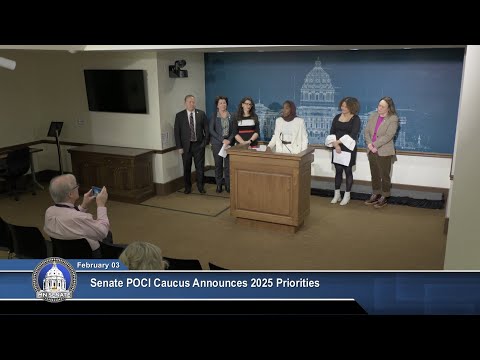
Members of the Minnesota Senate Posse Caucus laid out a slate of policy priorities — from housing and education to criminal-justice reforms — and said they will push state action to protect communities in response to federal policy changes.
Members of the Minnesota Senate Posse Caucus said at a news conference that they will press for state policies to protect Black, Latino, Asian and Indigenous Minnesotans as the federal government pursues changes they described as threatening to civil-rights and social programs.
"Minnesota is at crossroads in how we view and support our black, brown, and indigenous communities," said Senator Zaida Mohammed, policy caucus chair. "The members of the Posse caucus will not be silent and we will act in the best interest of Minnesota and all of its communities."
The caucus outlined priorities that include culturally responsive, accessible health care; protections from discrimination; a fully funded cradle-to-college education plan and college funding; an equitable bonding bill; and increased access to safe, dignified housing. Members also highlighted specific bills they plan to champion: the REED Act to improve literacy instruction, the Minnesota Building Families Act to require insurance coverage for infertility care, and a proposal called Minnesota Connecting Families to reduce or eliminate phone and communication fees for people who are incarcerated.
"A third of families go into debt just trying to stay in touch with their loved ones," said Senator Claire Umuverbatim, assistant majority leader, arguing that reducing communication costs for incarcerated people is evidence-based and bipartisan. She also said she will push for a ban on legacy admissions and for prohibitions on landlord discrimination against tenants who use Section 8 or other housing choice vouchers.
Senator Mary Kunish, chair of the Education Finance Committee, said investments in public education have improved outcomes and reiterated support for universal free lunches, expanded prekindergarten access and recruiting more teachers of color and Indigenous teachers. Kunish urged voters and lawmakers to consider a state-level equal rights amendment to the Minnesota Constitution to enshrine protections against gender discrimination.
Freshman Senator Susan Pah described personal experiences with discrimination and said those experiences inform the caucus’s urgency. Several members framed their work as defensive: protecting programs and people from actions the speakers attributed to the new federal administration.
Senator Erin McQuade, vice chair of the caucus, said the group will fight what she described as a federal effort to "resegregate our society," and urged cooperation across communities and with colleagues in both parties. "Most of the power of authoritarianism is freely given, but our collective power is stronger," McQuade said.
Caucus members described immediate practical concerns they say are already affecting residents: community health clinics not receiving federal funds, WIC and SNAP interruptions, and reduced federal support for Head Start programs. Senator Umuverbatim and others said the caucus also is responding to what they described as a reported data-security issue tied to federal systems and urged state action to notify and protect residents.
Senator Mohammed cited a recent Judiciary Committee hearing in which, she said, a Republican senator invited the Center of the American Experiment to present a report that, in her words, "permeates the idea of a racial hierarchy" and that she views as evidence of a broader movement toward policies that would exclude or marginalize people of color.
The Posse Caucus members said they will seek bipartisan support where possible but acknowledged the narrow margins in the legislature and the political pressures created by federal policy shifts. They asked colleagues across the aisle to oppose what they called hatred and bigotry, calling some priorities "common-sense policies" such as housing access and support for families with incarcerated members.
The senators closed by saying they will pursue legislation, public outreach and collaboration with local stakeholders to advance their agenda and to notify Minnesotans about threats to federal benefits and data security where applicable.