Lifetime Citizen Portal Access — AI Briefings, Alerts & Unlimited Follows
Council approves interlocal for Healthy Families home visiting and accepts $231,000 subgrant for community-health worker work
Loading...
Summary
The Lincoln City Council approved an interlocal with Nebraska DHHS/DCFS to continue Healthy Families America home visiting and accepted a three-year, $231,000 subgrant to fund community-health-worker screening and navigation work.
The City Council approved an interlocal agreement with the Nebraska Department of Health and Human Services, Children and Family Services (DCFS) to continue participation in Healthy Families America evidence-based home visiting from Oct. 1, 2024, through Sept. 30, 2025. The council also approved acceptance of a three-year subgrant totaling $231,000 from the Nebraska Association of Local Health Directors to support community health worker work addressing social determinants of health.
Carrie Kernan, health director for the Lincoln–Lancaster County Health Department, told the council the DCFS interlocal is intended to identify families at risk for child abuse and neglect and inform them about the voluntary Healthy Families America home-visiting program. Kernan said the DCFS-linked portion is a smaller component of the department’s broader Healthy Families work: staff are averaging about 17 to 25 families in the DCFS-linked piece and the overall Healthy Families program serves several hundred families and performs thousands of visits annually.
Kernan described the Healthy Families referrals and enrollment as entirely voluntary. She explained eligibility: a parent must be pregnant or postpartum or have a child under age 3 when they enter the program; services can continue up to the child’s fifth birthday.
On the $231,000 subgrant, Kernan said the funds come from two managed-care organizations (UnitedHealthcare and Nebraska Total Care) and are intended to pay staff time to screen clients for social determinants of health, perform navigation and referral, and connect people to services (insurance access, primary care linkage, pharmaceutical needs, mental-health supports, housing and food resources). The department clarified the grant pays for staff capacity rather than direct cash assistance such as rental or food subsidies; the contract covers roughly one full-time equivalent staff position over the grant term with the health department and county making up remaining program costs as needed.
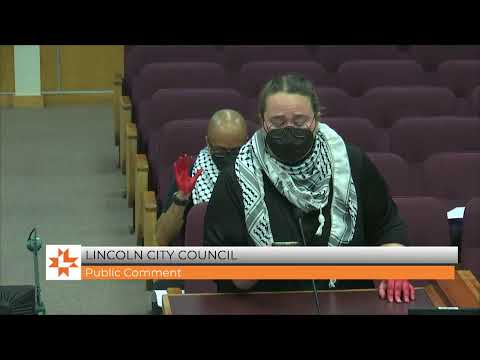
During public comment Timothy Jones asked how the program would help people find providers who accept Medicaid; Sarah Hoyle, director of human services, and Kernan described the role of staff and community-resource specialists in helping with Medicaid applications and connecting clients to providers that accept particular coverage.
Both the interlocal and the subgrant were approved by recorded vote.