Get Full Government Meeting Transcripts, Videos, & Alerts Forever!
Get email alerts on the Hscesn And Pediatric Home Health topic
No spam. Unsubscribe anytime.
Families praise HSCSN as lifeline for children with complex needs; program faces home‑health access bottlenecks
Summary
Parents told the Committee on Health that Health Services for Children with Special Needs (HSCSN) enabled children with complex conditions to go home and receive ongoing care, but HSCSN and legal advocates warned of lengthy delays for pediatric home health and shortages of personal care aides.
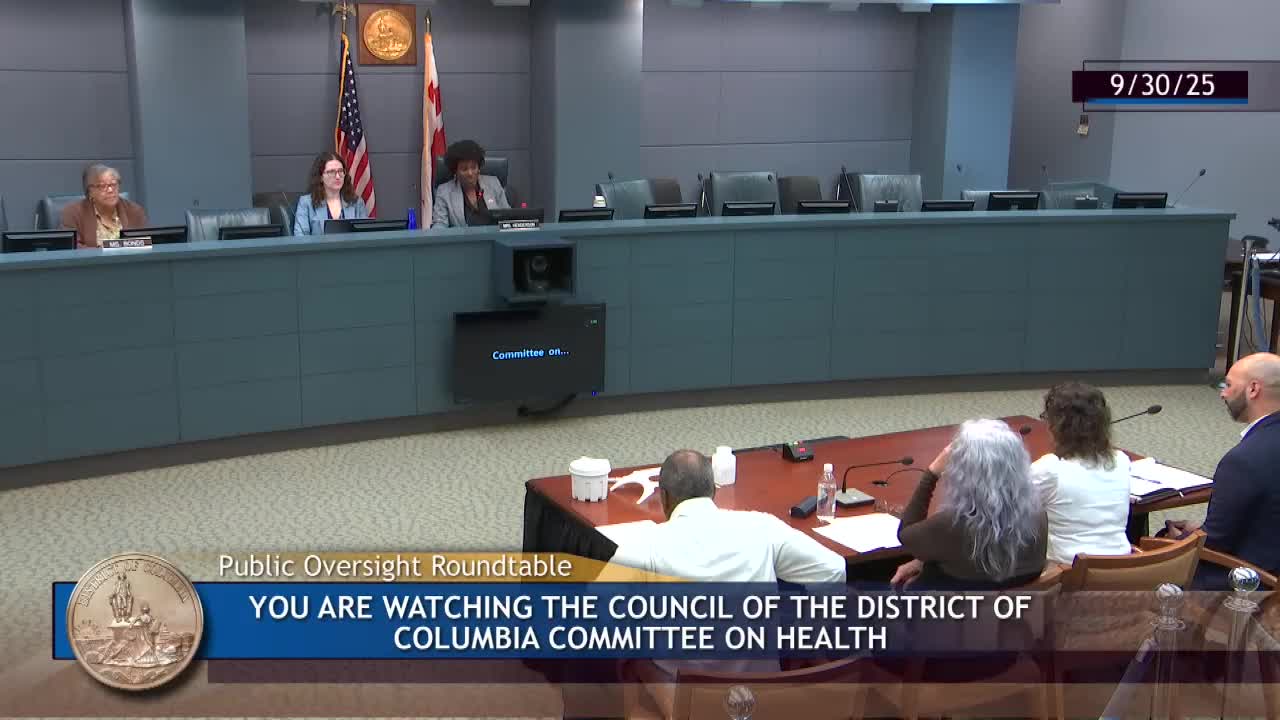
Several parents testified at the Sept. 30 roundtable about the role of Health Services for Children with Special Needs (HSCSN) in enabling complex pediatric care at home.
“My name is Erin Sabonsky. I am here to express my gratitude for my son Anthony’s health care coverage through Health Services for Children with Special Needs,” said a parent who described HSCSN as essential after her son’s brain injury required ventilator and 24‑hour skilled nursing supports. She credited HSCSN case managers with coordinating home nursing and growth‑hormone therapy that allowed the family to leave long‑term inpatient care and return home in 2012. “We do not have the financial resources or very much extra time to take legal actions to hold them accountable. HSCSN is different. We have a case manager who is familiar with Anthony’s situation, who will return my messages on the same day,” she said.
Other caregivers gave similar accounts. Melissa Coppolo testified HSCSN’s outreach upon discharge from the NICU was a “lifeline” after extremely premature births and dozens of surgeries for her daughter in the first years of life; she said HSCSN’s case managers and Children’s National clinicians enabled the family to remain in DC. Thomas Cunningham described HSCSN enrollment through the Katie Beckett pathway and credited case management with supplies, therapies and the home nursing that helped his son make functional gains.
Anna Dunn, president of HSCSN, described the organization as a pediatric‑focused managed‑care plan serving about 5,000 children and young adults up to age 26, many with multiple comorbidities. HSCSN told the committee it is accredited by NCQA, operates a provider portal to prioritize authorization requests, assigns every enrollee a care manager and reports average credentialing performance (three‑year recredentialing cycle) of 15 days. HSCSN said 65 percent of enrollees receive primary care at Children’s National and more than 90 percent receive specialty care there.
Despite high marks for coordination, witnesses and HSCSN leadership identified access problems in pediatric home health and personal care aide (PCA) availability: families face delays far exceeding 30 days in securing home nursing services even after authorizations, HSCSN said. Attorney testimony highlighted shortages of vision‑therapy providers and other pediatric specialists; plaintiffs’ counsel suggested DHCF could allow managed‑care plans to authorize out‑of‑network services and expedite caregiver reimbursement when no in‑network provider meets a child’s needs within the district’s 30‑day timely‑access standard.
Why this matters: HSCSN serves a small but medically complex population whose home health coverage and case management can prevent institutional care. Committee members were urged to preserve and strengthen HSCSN while addressing workforce shortages for pediatric home health and PCAs.