Lifetime Citizen Portal Access — AI Briefings, Alerts & Unlimited Follows
Utah State researcher outlines ACT techniques to help dementia caregivers manage stress
Loading...
Summary
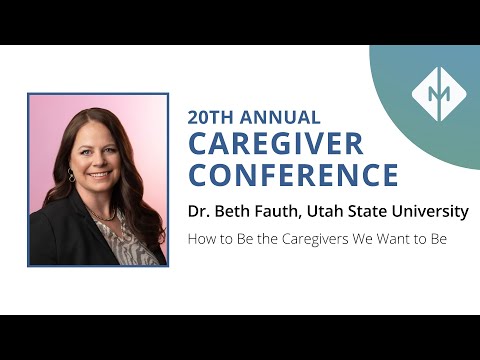
Beth Fouts, a researcher with Utah State Universitys Alzheimers Disease and Dementia Research Center, told a conference audience that acceptance and commitment therapy (ACT) offers practical tools for dementia caregivers struggling with chronic stress.
Beth Fouts, a researcher with Utah State Universitys Alzheimers Disease and Dementia Research Center, told a conference audience that acceptance and commitment therapy (ACT) offers practical tools for dementia caregivers struggling with chronic stress.
"We're not going to get rid of the stress," Fouts said, framing ACT as a strategy to live alongside difficult thoughts and emotions rather than eliminate them. She described ACT as a well-studied form of cognitive behavioral therapy that dates to the 1980s and said there are "over a thousand randomized clinical trials" supporting its use.
Fouts opened with a values exercise, asking attendees to identify the personal characteristic they most want others to see in them (for example, compassion or patience) and to use that value as a "compass" for everyday choices. "Values are the same thing," she said, explaining that small daily actions guided by values — responding patiently while feeding a loved one or choosing to bring joy into a long line — can help caregivers act in ways theyre proud of.
She then described a four-part "stress meter." The blue zone represents contextual stress (the caregiving situation), the orange zone represents powerful thoughts and emotions that arise in the moment, the gray area describes reserves or remaining capacity, and the red zone reflects reactive behaviors and self-criticism that add stress. Fouts cautioned that the red zone often comes from resisting emotions: "A lot of guilt, shame ... this is the red area where we talk about kind of resisting those thoughts and emotions."
To reduce red-zone reactions, Fouts recommended straightforward techniques: name emotions aloud ("I'm feeling anxious"), notice but do not accept intrusive thoughts (she cited the example of thinking "these people are gonna kill me" while driving), and practice self-compassion rather than self-shaming. She offered short, private meditations that can be done in public (10—60 seconds), such as visualizing a thought on a leaf floating down a stream, to regain composure.
Fouts used two metaphors to illustrate how to act despite internal noise. In "passengers on a bus," intrusive thoughts are unruly passengers; the driver can choose to "drive the course" toward values rather than fight or follow them. She also likened caregivers to a referee at a youth sporting event who must make the call despite noisy parents, urging attendees to "just do what you need to do."
Another practical reframe she taught is changing a "but" statement to an "and": instead of "I want to exercise but I'm tired," say "I want to exercise and I'm tired," which acknowledges constraints while preserving permission to act.
Fouts closed by summarizing the process — identify values, notice what gets in the way, choose a technique — and invited questions. She also announced that the Utah State Alzheimer's and dementia research center is recruiting caregivers for an online, self-guided ACT program once federal funding is available and described an existing dementia caregiver clinic that offers telehealth and in-person consultations. "We've been funded. Still have any money yet," she said, noting recruitment plans are contingent on receiving award funds.
The presentation ended with Fouts sharing contact information for the research center and encouraging attendees to reach out about studies and clinic services.