Lifetime Citizen Portal Access — AI Briefings, Alerts & Unlimited Follows
Civil grand jury flags overtime, disability and staffing strains in county jails; Sheriff and DHR outline coordination steps
Loading...
Summary
The civil grand jury's jails report identified excessive overtime, long‑term disability and staffing pressures and recommended a Budget and Legislative Analyst audit. Sheriff’s officials acknowledged disability-driven overtime and proposed training, policy clarifications and a budget request for additional deputies; DHR described weekly claims coordination and legal constraints.
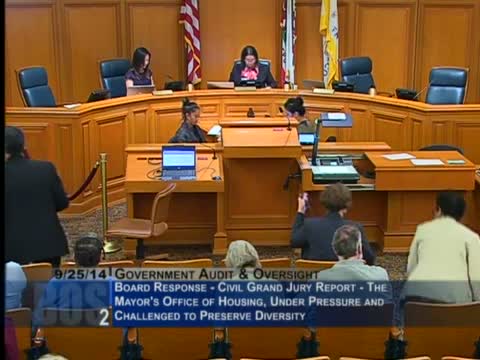
The committee reviewed the civil grand jury’s Inquiry into the Operation and Programs of the San Francisco Jails and heard detailed findings on custody operations, inmate orientation, vocational programs and the financial impacts of worker injury and long‑term disability.
"We found overtime expenditures of $10,700,000 and an additional $3,500,000 associated with job related injury and illness," Michael Scahill, the grand jury presenter, said while urging Board consideration of an audit by the Budget and Legislative Analyst of workers' compensation and overtime costs.
Representatives of the San Francisco Sheriff's Department acknowledged the problems and described steps to address them. Breema Hoarder, the department's chief financial officer, said disability is one of the primary drivers of overtime and that, based on early fiscal‑year projections, an estimated $3.6 million of overtime could be attributable to hours lost to disability out of the department's $9.5 million overtime budget. The department said it will seek funding for 25 additional deputy positions in the 2015–16 budget to backfill long‑term vacancies.
The Sheriff's Department and Department of Human Resources (DHR) said they have stepped up coordination: DHR's workers' compensation team now communicates weekly with assigned sheriff staff and DHR offered to help analyze injury causes and improve return‑to‑work options. DHR officials also noted state law constraints (including Labor Code provisions for public‑safety employees) that govern temporary disability timelines and can affect how quickly positions can be reopened.
Officials highlighted training and process changes: the department updated policies for transfers and medical staging, revised orientation materials in consultation with 5 Keys Charter School staff, and extended modified‑duty return‑to‑work periods from 90 to 180 days to reduce full temporary‑disability payouts.
The grand jury and public speakers praised in‑custody education and reentry programs such as the 5 Keys Charter School and recommended developing vocational pipelines that link training to post‑custody employment.
Supervisor Breed read into the record that the Board agrees the issues warrant oversight, noted some disagreement between the grand jury and the Sheriff's Department about counts of deputies out on long‑term disability (the sheriff disputed the figure of "more than 50 deputies" in some cases), and requested the Budget and Legislative Analyst prepare an audit of workers' compensation payments and related overtime costs. The committee tabled the hearing, amended the record text, and forwarded the item to the full Board as a committee report.