Lifetime Citizen Portal Access — AI Briefings, Alerts & Unlimited Follows
Puerto Rico House debates emergency relief and presses Luma/UMA Energy after prolonged outages
Loading...
Summary
The House of Representatives on June 11 debated and approved multiple resolutions addressing prolonged outages in Aibonito, Coamo and Santa Isabel, pressed oversight of Luma/UMA Energy and approved related consumer‑protection measures and investigations.
The Puerto Rico House of Representatives on Tuesday, June 11 opened a consolidated debate and approved several resolutions and bills aimed at addressing prolonged power outages in the island’s south‑central region and increasing legislative oversight of the utilities contractor.
Representative Estrella Martínez Soto, who opened the energy block of measures at 4:32 p.m., asked colleagues to declare Aibonito, Coamo and Santa Isabel emergency zones and approve a temporary tariff discount for affected residents. “Llevamos once días sin servicio eléctrico,” she told the chamber, noting the effect on commerce and vulnerable residents and urging colleagues to “poner acción en su palabra votando a favor.”
Throughout the afternoon the debate focused on the contract and performance of Luma/UMA Energy. Representative Luis Raúl Torres summarized nearly three years of public hearings and investigations, saying the contract’s structure favored the private operator and noting discrepancies in staffing figures. He said data from oversight work showed Luma had far fewer experienced linemen on the island than it told legislators and that FEMA funding could not be handled by a private company in the way the contract implied. “Ese contrato leonino…”, he said as he set out the legislature’s concerns about contractual protections for Luma.
Multiple lawmakers pressed for stronger fiscalization and for the House to consider whether the contract should be rescinded or the supervising agency changed. Representative Víctor Parés urged regular, frequent hearings with Genera and Luma and asked the House’s relevant committees to verify federal‑funds expenditures and project lists. Representative Denis Márquez and other speakers recounted prior committee work and alleged operations and oversight failures.
Lawmakers also debated consumer‑facing measures. Representative Morey Noble summarized House Project 1993, which would provide a tax credit (up to $350 per household) to help consumers install voltage‑protection equipment; he cited OPA/DH estimates that put the measure’s fiscal impact in the mid‑tens of millions annually. “Es una cantidad ínfima que debemos de rebuscar en el presupuesto… para proteger a todos los consumidores,” he said.
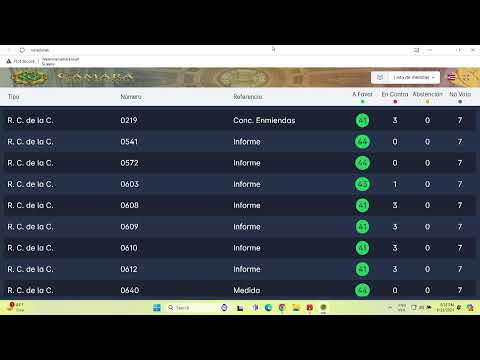
The House approved, by recorded votes later in the evening, a slate of energy‑related resolutions and measures. The official vote tally read into the record showed a mix of unanimous and divided results depending on the measure; among the energy items, the joint resolutions to designate certain municipalities as emergency zones and to establish relief measures were approved, while a resolution proposing cancellation of the public‑private contract registered a more divided vote (see Votes at a glance for full tallies).
The debate mixed technical, administrative and political lines of argument: members criticized past debt and management decisions at the Autoridad de Energía Eléctrica (AEE), detailed what they said were failures in preventive maintenance and staffing, and urged immediate short‑term measures (site visits, targeted relief, access to water and cooling centers) while pressing for longer‑term structural changes.
The House’s official record also includes detailed in‑chamber amendments read by the clerk (for example, adding Salinas to some emergency designations) and multiple motions to discharge measures from committee for floor consideration. Committees were authorized to meet and report back; leaders set a final‑vote calendar that consolidated the energy measures for a late‑evening voting period.
What’s next: the House recessed after completing the voting calendar; several measures and requests for further committee work were approved and referred as needed. Lawmakers said oversight and additional hearings with Luma, Genera and the government agencies responsible for energy policy and federal funds will continue.