Lifetime Citizen Portal Access — AI Briefings, Alerts & Unlimited Follows
Medford communications subcommittee approves update to outreach plan for MSBA high‑school project
Loading...
Summary
The Medford Public Schools communications subcommittee on Jan. 28 reviewed outreach tactics for the MSBA high‑school feasibility project, endorsed targeted outreach to abutters, parents, teachers, seniors and renters, and voted 3–0 (1 absent) to let staff revise the communications plan and submit it to the building committee for input.
Jenny Graham, chair of the Medford Public Schools communications subcommittee, opened the Jan. 28 meeting by reading the public notice for the remote Zoom session and laying out two goals: review upcoming meetings and refine outreach audiences and tactics for the MSBA high‑school project. The subcommittee and consultants from Leftfield and SMMA discussed who should be reached, how, and when, and voted to allow staff to update the communications plan and send it to the larger building committee for review.
The subcommittee’s discussion centered on distinct audience groups and concrete tactics. Staff and consultants identified priority audiences — school committee members, city council (as partners but not required to approve interim steps), abutters, teachers, current families, students, seniors, renters, alumni and community partners — and proposed specific channels for each. City communications staff recommended monthly mayoral newsletter space and targeted robocalls, noting the city’s robocall list includes nearly 50,000 contacts and can be targeted by address to reach abutters. Consultants proposed postcards with QR codes to build a project mailing list, school tours to help skeptical residents see building conditions, targeted mailers for renters, presence at school events, and using Pam Kelly’s seniors newsletter and senior‑center events to reach older residents.
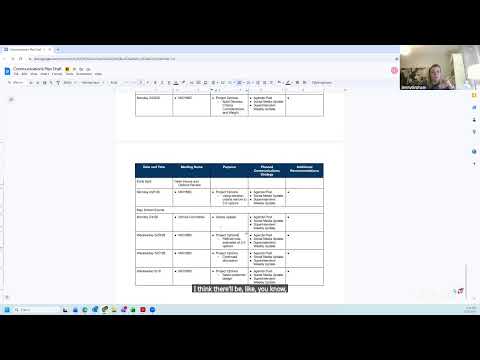
Consultants and staff clarified MSBA process expectations: MSBA requires a small number of public forums in early project stages (stated in the meeting as three formal community meetings) and the city council’s formal role will likely be limited to approving a debt‑exclusion question later in schematic design. The team also set near‑term milestones: a Feb. 2 school committee meeting to approve the educational plan for submission; a Feb. 11 building committee meeting to review space‑planning and preliminary cost estimates of roughly 29 initial alternatives; a March community forum; an April window to narrow options from about 29 to 3–5; and a June 10 meeting to select the single option that will advance.
At the end of the meeting, Nicole Morell moved “to update the plan based on our conversation and submit it to the building committee for input.” Maria Dorsey seconded; Jenny Graham called the roll. The recorded vote was 3 in favor, 0 opposed, with Marissa Desmond absent. The motion passed and the subcommittee adjourned soon after.
The next steps the subcommittee identified are for staff to produce the revised communications plan incorporating targeted tactics for abutters, renters and seniors, to post a standing project update in the mayor’s newsletter, and to schedule the community forums and building‑tour opportunities timed around the April narrowing and May events. The building committee will receive the revised plan for input before the March–April public engagement sequence.