Lifetime Citizen Portal Access — AI Briefings, Alerts & Unlimited Follows
Bountiful staff warn proposed property-tax changes, PIDs and primary-exemption shift could reallocate local revenue
Loading...
Summary
City staff and state representatives discussed proposals to cap property-tax increases and raise the primary-residence exemption; staff estimated Bountiful would lose roughly $1 million in annual property-tax revenue under a 60% primary-exemption scenario and urged legislators to consult cities on municipal-power and PID legislation.
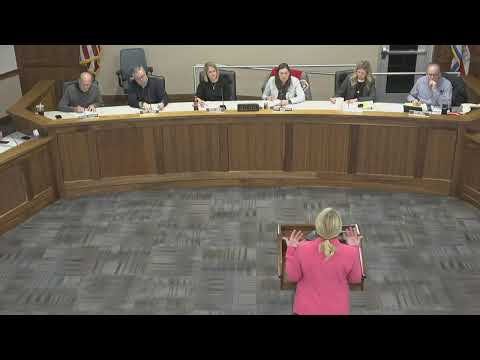
City Manager Gary Hill and council members told Representatives Ray Ward and Melissa Garth Ballard that several state proposals on property taxation could materially affect Bountiful's finances and local services.
Hill explained that property tax is the only tax local governments can directly control and warned that proposals to cap annual increases could have unintended consequences. "Property tax is the only tax revenue that we actually have any ability to change," Hill said, and he cautioned that a hard cap (discussed in multiple versions) could prompt taxing entities to take maximal increases each year to avoid future shortfalls.
Council staff described a separate proposal to increase the primary-residence exemption from 45% to 60%. City finance figures presented to the council estimated Bountiful derives about $4.1 million in property-tax revenue, of which roughly $3.6 million (85%) comes from primary residences; staff said the 60% exemption scenario could shift about $1,000,000 of revenue to commercial and non-primary taxpayers.
Both legislators acknowledged the concerns. Ward and Ballard asked staff to provide concise materials and suggested edits; Ballard recommended proposing specific changes rather than only saying 'no.' Ballard also criticized some planned-investment districts (PIDs) as allowing developers to pass infrastructure costs to users for decades, calling them "basically glorified HOA" arrangements.
Council and staff discussed the confusion residents face during Truth-in-Taxation processes and noted Bountiful used the process three times in 26 years with recent certified-rate increases in 2021 (36%), 2018 (13%) and 2000 (12%). The council asked legislators to involve municipal operators early on issues that affect public power systems and asset disposition to ensure cities receive fair market value if divestitures occur.
There were no formal votes during the work session; city staff will prepare written analyses and visual aids to share with legislators.