Get AI Briefings, Transcripts & Alerts on Local & National Government Meetings — Forever.
Community members urge Tompkins County not to cut Office of Human Rights, call for restored MOU with state
Loading...
Summary
At an expanded budget committee meeting, a string of public commenters — including Human Rights Commission members, Cornell Law faculty and tenants — urged the county to retain and strengthen the Tompkins County Office of Human Rights, seek a renewed MOU with the New York State Division of Human Rights and expand enforcement and outreach.
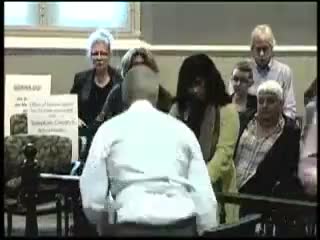
At the Oct. 13 Tompkins County Expanded Budget Committee meeting, a long public‑comment period focused on calls to keep and strengthen the Tompkins County Office of Human Rights (OHR).
A reader of a signed community letter told the committee the OHR should be “adequately funded and authorized to carry out local enforcement,” and encouraged the county to pursue a renewed memorandum of understanding with the New York State Division of Human Rights so complaints could be investigated locally. The letter also urged local laws to remove source‑of‑income barriers and felony‑box restrictions that impede housing and employment access.
Several speakers who identified themselves gave examples of OHR work. Liz Brundage and Sharon Hickey, who said they teach at Cornell Law School, described OHR as “an ideal partner” in local initiatives, urging the legislature to both sustain and strengthen the office so it can continue domestic‑violence and civil‑rights work. Jamila Walida Simon, who said she serves as chair of the Tompkins County Human Rights Commission, called OHR “a vibrant office” of three staffers and asked legislators whether they had reviewed the office’s projects and effectiveness before proposing cuts.
Tenant advocate Jim Weaver recounted problems at Ellis Hollow Road Senior Apartments and credited OHR staff with helping residents understand enforcement options. Amos Malone, who identified himself as the commission treasurer, praised the OHR director’s responsiveness to community needs, including small acts of support for vulnerable residents, and said dismantling the office would send a harmful message to groups already facing discrimination.
Speakers repeatedly framed the issue as both practical and symbolic: they argued OHR is needed to help residents navigate time‑consuming state enforcement systems in Binghamton and to run outreach, education and reentry supports locally. Multiple commenters urged the legislature to restore or negotiate a state MOU and to avoid using the office as a budget balancing item.
The public comment period concluded without a formal vote on the fate of OHR; the budget process continues and legislators may reintroduce amendments ahead of the tentative and final budget votes later in the process.