Lifetime Citizen Portal Access — AI Briefings, Alerts & Unlimited Follows
Conservancy manager links Alcatraz historic gardens to prison gardening and food access
Loading...
Summary
Sheila Fritz, a senior program manager with the Golden Gate National Parks Conservancy, described the history of Alcatraz's gardens and said work with Land Together and a Chowchilla prison farmers market highlights food access and climate-related risks for incarcerated people.
Sheila Fritz, a senior program manager with the Golden Gate National Parks Conservancy, said the Alcatraz Historic Gardens began as attempts by residents to create a sense of home and later included gardening by people who were incarcerated. "I get to tend the Alcatraz Historic Gardens and work with the community stewardship and engagement team," Fritz said.
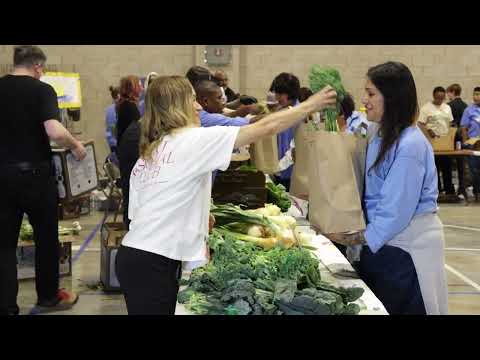
Fritz told listeners she is drawing contemporary meaning from that history through work with the nonprofit Land Together at a women's prison facility in Chowchilla. She said Land Together has organized a farmers market at the facility and that it is "believed to be the first farmers market ever in the U.S. offered within a prison setting." The remark was presented as Fritz's account of the project.
Fritz emphasized that a principal benefit of the prison gardening and market work is access to fresh food. She described the emotional impact when incarcerated people receive donated produce, saying a "fresh piece of fruit fresh from the farmer" can bring visible joy. She framed that outreach as a way parks and related programs can connect people and families to national park sites.
She also linked the programs to climate concerns, noting that extreme temperatures in parts of California worsen food scarcity. "This is an area in California that has those extreme temperatures and food scarcity is very much real," she said, and added that incarcerated populations "really feel the effects of it."
Fritz said the Conservancy treats community engagement as a core value and that bringing people from prisons to know national parks is part of making the parks welcoming. "It really it's like a big hug coming from the park," she said, adding that parks should make visitors and their families feel welcome "forever."
Fritz's remarks tied the historical role of the gardens on Alcatraz to current programs that seek to improve food access and broaden community stewardship. She did not announce any formal policy action or vote during the presentation.