Get Full Government Meeting Transcripts, Videos, & Alerts Forever!
Get email alerts on the Election Administration topic
No spam. Unsubscribe anytime.
Cross-training urged to prevent poll openings from being delayed
Summary
A presenter in the transcript warned that shortages of task-specific poll workers can delay openings and closings at polling locations, increasing wait times and the chance voters leave without voting; the transcript recommends cross-training and support staff to reduce these risks.
The presenter said shortages of trained poll workers can delay the opening and closing of polling locations and increase voter wait times, and recommended cross-training and clearer instructions to reduce the risk of procedural failures.
The presenter described the typical duties that must be completed to open a polling place, including setting up signage for voters, positioning and configuring voting equipment and materials, completing chain-of-custody documentation, and preparing voting materials. He also listed closing steps that vary by jurisdiction, such as generating voting reports, shutting down equipment, sealing materials while maintaining chain of custody, packing equipment and materials, and delivering results to officials for transport to a central election office.
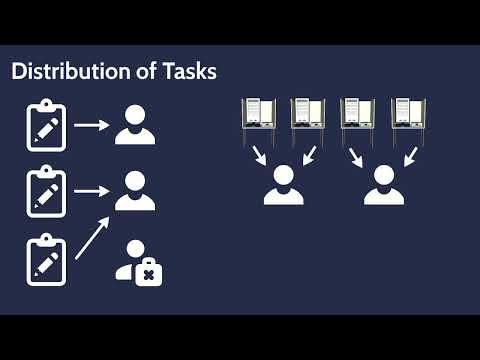
The transcript notes that poll workers receive training on election-day procedures, but that some workers are trained only for specific tasks. The presenter warned this role-specific training can cause problems if the trained worker is absent: other workers may have to perform unfamiliar tasks or an election official from another location may be called in, which can delay openings or lead to procedures not being completed correctly.
As an example, the presenter said polling places that use electronic voting equipment may have a large number of devices that must be set up, processed, and shut down. When fewer poll workers are available, each worker may need to manage many devices, increasing the overall time required for opening and closing procedures and adding strain on staff.
Those delays and added workloads can affect voters, the presenter said: delayed openings and longer processing times can lengthen voter wait times and increase the likelihood that some voters leave the polling location without voting, reducing voter confidence.
To mitigate these risks, the presenter recommended cross-training poll workers so multiple people know how to complete most opening and closing tasks, providing clear written instructions for each role, and making support staff available when shortages are severe. The transcript does not record any formal vote or policy decision; it frames these proposals as operational recommendations rather than adopted rules.
The transcript's most recent development is a reiteration of cross-training and staff-support measures as the primary steps to reduce the operational risk posed by poll worker shortages.