Lifetime Citizen Portal Access — AI Briefings, Alerts & Unlimited Follows
Norton planners debate draft data-center zoning rules, seek clearer limits on water, power and noise
Loading...
Summary
The Planning Commission reviewed a draft data-center zoning chapter and debated separate rules for small and large facilities, conditional-use negotiations, water-metering and closed-loop cooling, soundproofing for mechanical equipment, lighting limits and setbacks; staff will revise the draft and return for further review.
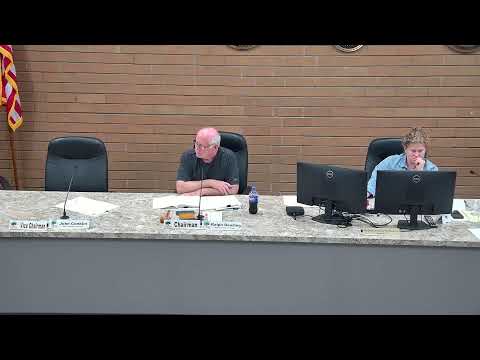
The City of Norton Planning Commission spent its meeting reviewing a draft zoning chapter for data centers and weighing how to treat small, ancillary facilities versus large, standalone centers.
Chair Dowling said he adapted sections from other jurisdictions and proposed separate definitions and standards for small and large data centers so the city can balance business-friendliness with protections for nearby residents. "I think the conditional use is a good tool for us right now," the zoning administrator said, arguing that conditional permissions allow site-specific mitigations to be negotiated with applicants.
Commissioners raised several technical and community concerns. Members discussed requiring standby power that is not a "hot diesel" source, limiting the visual and noise impacts of generators through soundproof enclosures and barriers, and specifying buffering and setbacks — Chair Dowling said he included a 200-foot setback from property lines and a 1,000-foot separation between facilities in his draft to address resident worries. Commissioners also debated whether small, ancillary data centers should be permitted in lighter industrial districts (I-1) or reserved for heavier industrial zones (I-2).
On water use and cooling, the commission questioned closed-loop systems and asked for metering of well withdrawals if applicants intend to source groundwater. One commissioner cautioned that closed-loop systems are "not pollution free," and the group recommended the draft require an emergency-response plan that clarifies the city's responsibilities (fire safety, traffic control and notification) and specify when the city should consult its engineer or outside technical reviewers.
Commissioners emphasized flexibility in process: several members preferred keeping the draft concise on general standards while relying on conditional‑use review to negotiate site-specific requirements such as road-use agreements, pre-construction condition surveys and compensation or repairs if construction traffic damages municipal roads.
The commission asked staff to revise the draft to resolve TBD items, mark edits for easy review and either send a talking draft to council or return at the next meeting; members indicated a follow-up meeting in two weeks to review updates. No formal action on the zoning chapter was taken at this session.