Lifetime Citizen Portal Access — AI Briefings, Alerts & Unlimited Follows
Council issues multiple proclamations honoring conservation district, sanitary authority, Fair Housing Month, libraries and telecommunicators
Loading...
Summary
At its April 4 meeting, Allegheny County Council read proclamations recognizing the Allegheny County Conservation District and Sanitary Authority’s 80th anniversaries, proclaimed April as Fair Housing Month and National Library Week, and observed Public Safety Telecommunicators Week; representatives accepted and thanked council for partnerships and support.
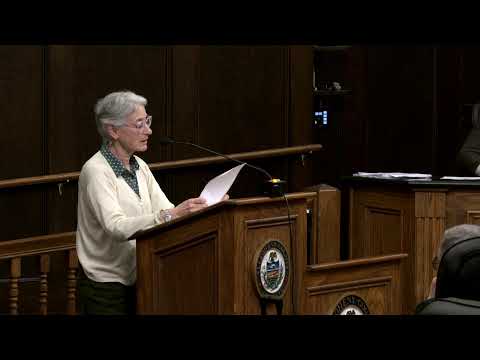
Allegheny County Council used a portion of its April 4 meeting to present a series of proclamations honoring local organizations and month‑long observances.
Council read a proclamation recognizing the Allegheny County Conservation District’s 80th anniversary, sponsored by council members Rose and Geiger Shulman and the county executive; a representative from the conservation district thanked council for its partnership and county funding support. The meeting also recognized the Allegheny County Sanitary Authority (also celebrating 80 years); an authority representative accepted and emphasized the agency’s role in wastewater treatment and protecting regional water quality.
Council proclaimed April 2026 as Fair Housing Month, citing the federal 1968 Fair Housing Act and the county’s expanded list of protected classes; the county’s economic development office accepted the recognition and praised cross‑sector partnerships that support equitable housing. A separate proclamation declared National Library Week, with a library representative encouraging residents to use library resources and outreach programs. Council also recognized National Public Safety Telecommunicators Week, noting that the county’s 9‑1‑1 center handled more than 1.6 million calls in 2025, and thanked dispatchers for their work.
Why this matters: The proclamations publicly acknowledge long‑running local environmental and utility services, highlight civil‑rights and community resources, and call attention to the contributions of 9‑1‑1 telecommunicators. Sponsors were recorded in the proclamations’ text and council members and agency representatives used the occasion to acknowledge ongoing partnerships and funding contributions.
Next steps: The ceremonial proclamations do not create policy; they are formal recognitions recorded in the meeting minutes. Several proclamations were accompanied by brief remarks from agency or nonprofit representatives and a ceremonial photo.