Lifetime Citizen Portal Access — AI Briefings, Alerts & Unlimited Follows
Brady Brammer outlines child-protection, Utah Lake and infrastructure priorities in party podcast
Loading...
Summary
Senate candidate Brady Brammer told the Utah County Republican Party podcast he prioritizes child-protection measures (strict vaping limits and new rules for nicotine pouches), local control of planning, continued investment in Utah Lake and major West Side road projects, and stricter transparency for PIDs and development incentives.
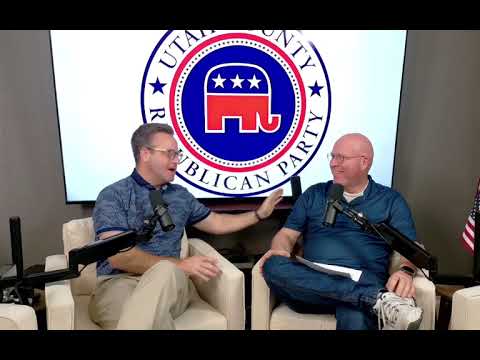
Brady Brammer, running for reelection to the Utah State Senate in District 21, used a Utah County Republican Party podcast to lay out priorities that include child-protection laws, local control over zoning, funding for Utah Lake improvements and large-scale West Side transportation projects.
Brammer said child-safety measures are central to his agenda, citing work to curb youth vaping. “Nobody should be graduating high school with an addiction,” he said, and described legislation that removed flavors and set what he called the nation’s lowest allowable nicotine levels. He also warned about a new nicotine pouch product he called "Zin," saying it is highly addictive and that policymakers need to consider regulations similar to those applied to vaping.
The candidate described environmental and recreation projects at Utah Lake as another major success. “We created the Utah Lake Authority,” Brammer said, explaining that the authority shifted management toward local control while drawing state and federal funds; he noted the federal delegation recently secured roughly $12,000,000 for improvements and said efforts have markedly reduced invasive Phragmites. He added that trails and coordinated local planning are improving the lake’s experience for residents.
On infrastructure, Brammer said he helped program about $1.5 billion for new roads on the West Side of Utah County and expects construction to ramp up in the coming years, with a significant portion of that funding arriving around 2029. He framed transportation and utility projects as long-term work that requires coordination across elected officials and agencies.
Brammer emphasized fiscal restraint, describing efforts to reduce state debt and advance incremental tax cuts while maintaining strong growth in state education funding. He said he reads all bills and uses code-change tools to understand amendments, adding, “I do read every bill,” and that institutional knowledge is important for voting decisions.
On housing and local authority, Brammer said default planning power should remain with cities and supported accessory dwelling units as a property-rights measure, while opposing a wholesale state takeover of zoning. Asked about public infrastructure districts (PIDs) and development incentives such as MIDA arrangements, he said the mechanisms need greater transparency and that he sponsored legislation to require PID meetings to be held near affected residents.
Brammer also addressed water, energy and privacy. He supported measuring and pricing water to avoid overconsumption, said many modern data centers do not use large amounts of water, and advocated growing Utah’s power exports — including geothermal and small modular nuclear technologies — to support economic development in rural counties. On surveillance, he praised new data-privacy work at the state level and supported limits on how long public-camera data is retained unless tied to an active investigation.
Asked about party rules and the SB54 signature path, Brammer said he favors a compromise that preserves the caucus process while addressing concerns about outside signature campaigns. He acknowledged the complexity of redistricting litigation under Prop 4 and said the issue will require significant legislative and legal work.
Brammer provided campaign contact details at the close of the podcast: votebrammer.com, voteBrammer@gmail.com, and a text-capable phone at (801) 709-1790.
The interview served as part of Brammer’s outreach to delegates and voters ahead of party convention activity; he framed his record as a combination of conservative fiscal policy, local control, and targeted public-health and environmental initiatives.