Lifetime Citizen Portal Access — AI Briefings, Alerts & Unlimited Follows
Consultant outlines rolling-draft timeline for Kyle's unified development code, highlights anti-displacement work
Loading...
Summary
Freese and Nichols presented progress on Kyle's unified development code: diagnostic work complete, first modules drafted, public engagement tools (multilingual website, interactive map) coming online, and zoning modules will include measures to support incremental change and limit displacement.
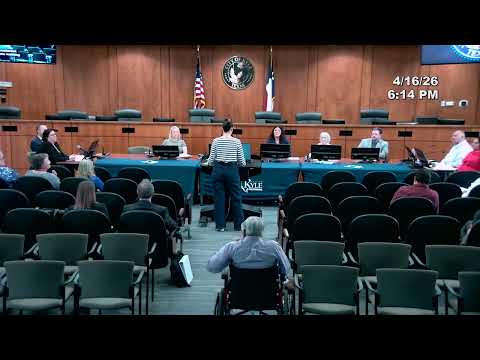
Consultants from Freese and Nichols updated council on the unified development code (UDC) project and the next steps for public engagement.
Rosie Drew Love (project presenter) said the diagnostic phase is complete and the team has moved into rolling drafting. The first module (general provisions) has been delivered and staff is reviewing it; module 2 (subdivision/layout topics) is drafted; modules 3 and 4 (zoning districts, downtown standards, and cross-cutting details such as tree preservation, lighting and signs) are in progress. The team plans greater public engagement over the summer and early open houses with a goal of a consideration and adoption period in early 2027.
Chance Sparks, the consultant who led the presentation, described a public engagement strategy that blends virtual and in-person outreach: a multilingual project website with an interactive map to gather comments, targeted stakeholder meetings and open houses, and periodic summaries of input posted for transparency. He said the drafting approach uses rolling drafts so staff and stakeholders can see how earlier modules evolve with feedback.
Council members asked how the code would address anti-displacement concerns. Sparks said anti-displacement approaches are being woven into zoning modules by enabling incremental change — for example by permitting accessory dwelling units, supporting cottage housing options and encouraging connectivity rather than barrier-type regulations that invite large transformative projects. He noted some anti-displacement drivers (housing affordability, access to employment) are outside the code's direct control, but the code can remove regulatory barriers to incremental, small-scale housing changes.
Staff and consultants said they will schedule joint sessions with the Planning & Zoning Commission, expand outreach to conservation and development stakeholder groups, and post materials on the project website as modules are drafted.