Get Full Government Meeting Transcripts, Videos, & Alerts Forever!
Get email alerts on the Community Vitality topic
No spam. Unsubscribe anytime.
Waynesboro nonprofits report first-quarter impact from city’s Community Vitality Fund
Summary
Five partner nonprofits reported coordinated first-quarter results under the city-funded 1 Waynesboro Community Vitality Fund: Embrace’s CAN enrolled 152 households; HERO has distributed more than $200,000; Renewing Homes committed nearly $30,000; partners asked council for continued funding as federal support wanes.
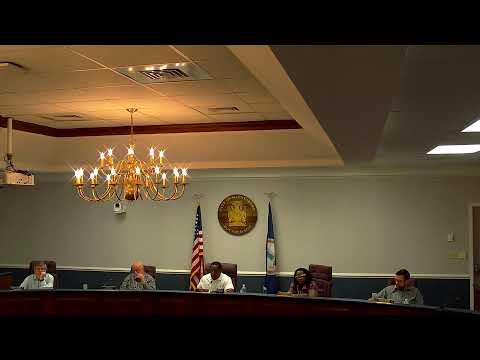
Council on Monday heard a coordinated update from five nonprofits that share Waynesboro’s Community Vitality Fund, the local “1 Waynesboro” initiative, with partners detailing client metrics, volunteer time and how city seed grants were used.
Chris Hopkins, associate site director for Embrace Waynesboro, told council the city provided Embrace with a $15,000 grant, “which is 17% of the total funding to run the CAN operations.” He said CAN enrolled 152 households — 328 family members — in the first quarter, produced 376 referrals and recorded 493 volunteer hours in that period. Hopkins said the organization’s combined first-quarter community impact totaled about $934,000 and projected meaningful growth if local funding continues.
Representatives from the other partners described complementary services. The HERO board president (introducing herself as the organization’s board president) said HERO has distributed “over $200,000 in financial assistance to people in Waynesboro,” and that city support makes up roughly 10% of that assistance. She described the program’s spending mix (about 37% for rent, 28% for electric, 27% for water and 8% for gas) and said demand rose after recent ice storms and with rising energy and grocery prices.
Sharon Copley, executive director of Renewing Homes of Greater Augusta, said the organization has nearly spent or committed the $30,000 it received through the Community Vitality Fund and described critical repairs completed for eight households that together involved 17 homeowners and 208 volunteer hours. Copley gave a case example of a household requiring a roughly $12,000 city-assisted hookup to city sewer after repeated septic failures.
Adrienne Young of the LifeWorks project reported that River City Breadbasket has been open more than 2,200 times this year and that the group used its grant for microgrants, bus passes, food and capital expenses; she described practical one-off supports such as paying an application fee or buying denture-cream for a job interview.
Speakers emphasized coordination: presenters said the five partners meet regularly to share referrals and avoid duplication; leaders suggested small procedural changes such as waiving late-payment fees when referrals come from partner agencies to preserve nonprofit budgets.
The mayor and several council members thanked the presenters and asked staff to consider ways the city can further streamline partnership efforts. The council did not take formal action but left final budget decisions to the upcoming FY2027 process.
Next steps: the Community Vitality Fund is included in staff’s budget and CIP materials; partners urged continued recurring local support as federal pilot funds and training grants decline.