Get AI Briefings, Transcripts & Alerts on Local & National Government Meetings — Forever.
Commission discusses where to allow or restrict adult businesses and pawn shops in master-plan update
Loading...
Summary
Clawson planners reviewed prohibited-use lists in BRD and WG districts and directed staff to map feasible parcels and draft locational standards—discussing buffers, legal constraints (Michigan Zoning Enabling Act) and options such as limiting adult uses to industrial corridors or applying 1,000-foot buffers.
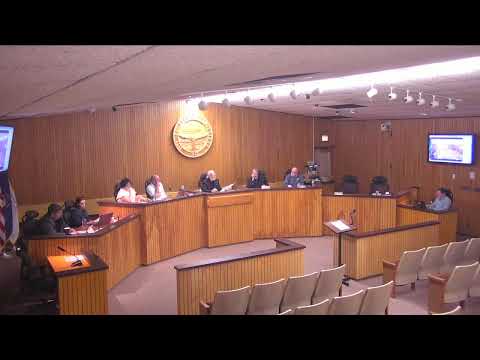
On April 28 the Clawson Planning Commission discussed revisions to the master plan and zoning approach for three districts that currently list prohibited uses. Staff explained the problem: prohibiting a use in only a few districts without permitting it elsewhere creates regulatory gaps because the city’s zoning ordinance permits only enumerated uses.
"Because we're listing them as prohibited here and we're not listing them as permitted anywhere else, we don't have any guardrails on where they actually are permitted," staff said, describing the need to replace scattered prohibitions with explicit locational rules.
Commissioners and staff concentrated on two categories highlighted in the memo: adult-oriented businesses and pawn shops. Staff said adult uses present First Amendment considerations and therefore require carefully tailored locational rules; pawn shops raise statutory zoning questions under the Michigan Zoning Enabling Act but do not involve the same free-speech protections.
A commissioner proposed removing pejorative language from the draft ordinance and substituting neutral wording; the commission agreed to edit the language (removing the phrase "normal or perverted" and replacing it with "of any kind").
Discussion then turned to where the uses could be allowed. Commissioners identified potential areas that are less visible to residences and that might better absorb such businesses: northern Rochester Road/industrial corridors, portions of BRD 2 south or north of Anderson Court and the I-1 (industrial) areas. Staff noted the draft memo included maps showing buffers around schools and community facilities and recommended the commission pick candidate parcels and allow staff to return with marked-up maps and proposed buffer standards (the draft already includes 1,000-foot buffers for several sensitive uses).
One commissioner asked whether pawn shops could be prohibited citywide; staff and the city attorney’s earlier advice indicated that an outright prohibition could be legally defensible in some circumstances, but that many communities instead impose locational restrictions and conditions. The commission generally directed staff to return with a short list of parcels and proposed pawn-shop standards that would include buffer distances and locational criteria, followed by a public hearing.
Staff will produce the marked map and draft standards for the commission’s review at a future meeting; no formal motions were taken during the discussion.